Used car paint inspection relies on three things: checking panel color and texture differences in daylight, inspecting gaps and rubber seal marks, and measuring paint thickness. Factory paint is typically measured around 100–160 microns; values significantly higher than this may indicate a repainted or repaired panel. The final word comes from an inspection report and measurement. You can also bring the vehicle for an inspection to our workshop in Kepez Akdeniz Sanayi.
Why is used car paint inspection important?
A repainted or replaced panel tells the vehicle's damage history. A minor scratch touch-up is insignificant, but repairs to structural areas such as doors, pillars, or the roof can affect vehicle value and safety. Sellers do not always disclose this information, which is why it is necessary to perform your own inspection and follow up with a professional assessment.
Being repainted is not inherently bad on its own. A panel repainted due to a scratch or minor bump will not cause problems if done properly. What matters is knowing what was painted, why, and how, and negotiating the price accordingly.
How to spot a repainted panel: visual inspection
Checks you perform before getting an inspection help you identify suspicious panels. If possible, inspect the car in daylight when it is dry and clean; differences can easily be missed in the rain or evening light.
- Walk slowly around the vehicleCompare the color tone of the panels. One door may look lighter, darker, or have a different gloss than the others.
- Look from a side angleCheck the reflection by looking along the vehicle's side profile from a low angle. A wavy reflection indicates a repaired or repainted panel.
- Look for orange peel textureThe subtle texture of factory paint may differ in repaired areas. Take note if the texture appears too rough or too smooth.
- Inspect panel gapsAre hood, door, and trunk gaps even on both sides? Uneven or misaligned gaps indicate that parts have been removed and reinstalled.
- Open edges and interior sectionsCheck inside door edges, under the hood, inside the trunk lid, and around rubber seals for paint overspray or marks.
- Check bolts and fastenersCracked paint or tool marks on bolt heads can indicate that a part has been disassembled.
What do paint thickness (micron) readings mean?
A paint thickness gauge measures the total thickness of the paint and body filler layers. The values below are for general reference; they vary by vehicle make, model, panel, and gauge, and indicate only approximate ranges.
| Approximate reading | General meaning | What to do? |
|---|---|---|
| Approx. 90–160 microns | Likely factory paint | Compare with other panels |
| Approx. 160–250 microns | May indicate touch-up, spot repair painting, or polishing | Ask why and which area was worked on |
| Approx. 250 microns and above | May indicate a repainted panel or body filler layer | Check the inspection report |
| Very high (typically over 500 microns) | Thick body filler, heavy straightening | Investigate damage history, show to an expert |
| Very low | May have been heavily polished or clear coat worn down | Examine the surface condition |
Note: Simple magnetic gauges do not work on aluminum hoods and fenders; an appropriate gauge is required. Micron measurement also does not yield the same results on plastic bumpers and trim. In addition, some brands have thicker factory paint by default. Therefore, assess the difference between panels rather than relying on a single reading.
How do you compare readings when measuring microns?
The proper method is to take measurements from multiple points on each panel and compare them against the vehicle's own baseline average. Record separate readings for the roof, hood, left and right doors, fenders, and trunk lid. Most factory panels on a vehicle yield similar values; a significant spike on one or two panels may indicate repair work.
What is the difference between repainted, spot repaired, and replaced panels?
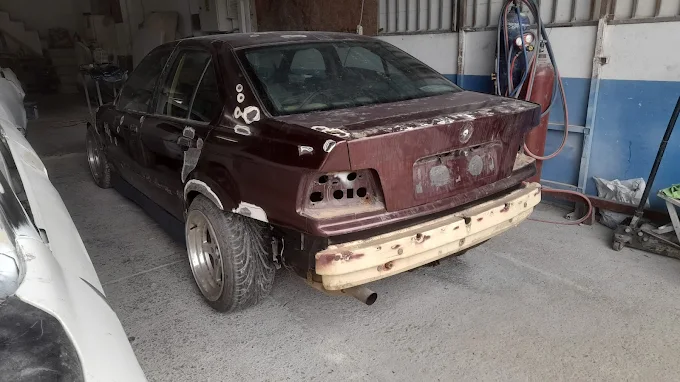
These three terms are frequently confused. A repainted panel indicates that the entire panel was repainted. Spot repair painting means only a specific area was painted. A replaced panel means a new or replacement part was installed in place of the original panel.
These three conditions are marked differently on an inspection report. A replaced panel usually implies more serious damage than a repainted one because the panel itself was removed. You can also read our guide on painted dent repair.
Used car inspection checklist
| What to check | Normal appearance | Suspicious sign |
|---|---|---|
| Panel color tone | All panels match in tone and gloss | One panel is lighter, darker, or duller |
| Panel gaps | Even and symmetrical | Narrow on one side, wide on the other |
| Reflections | Smooth and clear | Wavy, blurry, or distorted |
| Door and hood edges | Factory appearance | Overspray, roughness, body filler traces |
| Rubber seals and plastic trim | Clean and intact | Paint residue, crooked, or detached |
| Pillars and roof edges | Original spot welds | Cuts, re-welding, or reshaped areas |
| Bolts | Intact paint finish | Cracked paint, tool marks |
| Micron readings | Panels show similar values | Significantly high readings on one or more panels |
How to read an inspection report
An inspection report lists the condition for each panel individually: original, repainted, spot repaired, replaced, or repaired. Review the report against the vehicle panel by panel together with the seller.
- Number of repainted and replaced panels: Work on numerous panels may point to a significant damage history.
- Which panels: Work on bolt-on parts like hoods and fenders carries different weight than repairs to structural areas like pillars and roofs.
- Chassis and strut tower notes: The report also includes structural inspection details. Any note of "repaired" here requires close examination.
- Date of assessment: The report should be recent to accurately reflect the vehicle's current condition.
- Discrepancies: If what you see by eye conflicts with the report, be sure to ask.
If you cannot interpret the report or have doubts, send us photos via WhatsApp. We will provide a general assessment. This does not replace an official inspection report; it simply helps you know what questions to ask.
Should you buy a car with repainted panels? How to negotiate
A minor, properly executed paint job is not a reason to pass on a vehicle. However, the price should reflect it. Room for negotiation depends on which panels were repainted, how many panels were affected, and the cause of the damage.
In general, walking away from vehicles with structural repairs (pillars, roof, strut towers, chassis) while balancing minor cosmetic paint on bolt-on outer panels (hood, door, fender) through pricing is a common approach. The decision is yours and that of the technician inspecting the vehicle for you.
Also consider the cost of repainting if needed. Owner-approved ranges are 3,500–6,000 TL for a door, 4,000–7,000 TL for a fender, 5,000–10,000 TL for a hood or roof, and 2,500–5,000 TL for a bumper. This gives you a clear baseline for future work; the final price depends on the vehicle's condition following an assessment.
What should you do after purchase?
After purchasing the vehicle, note the painted and repaired areas listed in the report. If you spot scratches, blistering paint, or early signs of rust, check these areas first. The quality of previous repairs becomes apparent over time; fading, blistering, or color mismatches are the earliest signs.
If an area needs to be redone, you can have it evaluated with a free assessment at our workshop. For our painting services, check our Antalya auto paint page.
If you want to inquire about repainted areas and repair costs before buying a car, send us photos. Assessment at our workshop is free.
When should you visit a specialist?
- When you spot uneven panel gaps or welding marks.
- When there is a notable disparity between micron readings.
- When the inspection report does not match the vehicle's actual appearance.
- When paint blistering, fading, or color mismatches appear on a car you purchased.
Questions to ask before buying
Alongside visual and gauge checks, asking the seller the right questions provides valuable insight. How they answer and whether they can support their claims with documentation is just as important as the answer itself.
- Does the vehicle have an accident or damage history? If so, which parts were affected?
- Which panels were painted or replaced, on what date, and where was the work done?
- Are there invoices or documentation for the repairs?
- Can an insurance claim record be obtained?
- Was the vehicle used in another province for years or used commercially?
If the answers conflict with the report or your observations, this impacts your purchase decision as well as price negotiations. Official records and vehicle history checks can also provide supplementary details.
Common mistakes in paint inspection
Most buyers make similar mistakes. The most common errors include: inspecting a dirty or wet car, looking from only one angle, and only checking front and side panels while skipping the roof and inner edges. Another mistake is relying on a clean, glossy appearance without taking measurements; machine polishing and wax can temporarily mask imperfections.
Another misconception is assuming "repainted = bad." A proper spot repair or touch-up is not an issue. The real problems are undocumented, poorly executed repairs that affect structural areas. An inspection is not meant to rule out repainted cars, but to ensure you know exactly what you are buying.
It is also helpful to inspect the vehicle with a second person before buying; two sets of eyes can catch differences that one might overlook.
Finally, document and photograph your findings. Make your decision by combining what the seller told you with the inspection report details. Rushing can end up costing more than missing a repainted panel. You can also send us a close-up photo of any area you are unsure about for an informal opinion; this does not replace a formal inspection report, but helps guide you.
Frequently asked questions
How do you spot a repainted panel on a used car?
In daylight, look for panel color and texture differences, reflections, panel gaps, and paint overspray on door and hood edges. A definitive result is achieved through paint thickness measurement and professional inspection.
What should the paint thickness be in microns?
Factory paint is generally measured in the range of approximately 90–160 microns; it varies by make, model, and panel. What matters most is the difference between panels.
Is it a problem to buy a car with repainted panels?
A minor and properly executed paint job usually causes no issues and can be offset in the price. Work on structural areas such as pillars, roof, and chassis must be evaluated more carefully.
What is the difference between a repainted and a replaced panel?
A repainted panel indicates that the same panel has been repainted. A replaced panel indicates that another part was fitted in place of the original panel, usually signifying more serious damage.
What should I pay attention to in an inspection report?
Check the number of repainted and replaced panels, which areas they are on, chassis and strut tower notes, and the date of the report. If the report does not match the vehicle's appearance, ask the seller.
Does micron measurement work on every vehicle?
No. Simple devices do not provide accurate results on aluminum hoods and plastic bumpers. Some brands also have thicker factory paint; therefore, you should evaluate the difference between panels rather than a single reading.
How much does it cost to repaint a repainted panel?
Owner-approved ranges are 3,500–6,000 TL for a door, 4,000–7,000 TL for a fender, 5,000–10,000 TL for a hood or roof, and 2,500–5,000 TL for a bumper. The exact price is given after photos or an assessment.
Can I bring the vehicle to your workshop for an inspection?
Yes. We offer free assessments at our workshop in Kepez Akdeniz Sanayi. You can also send photos via WhatsApp first.
Related articles and pages
- Antalya auto paint
- Car paint delivery inspection checklist
- Spot repair or complete paint?
- Glossary of auto paint terms
Get an estimate with photos
Send photos of the damage via WhatsApp, and we will provide an initial estimate and turnaround time. Assessment at the workshop is free. Address: Kepez Akdeniz Sanayi industrial estate, Şafak Mah. 5040. Sk. Sanayi 28/A Blok No 16, Kepez/Antalya.