
The casco damage repair process generally proceeds as follows: safety and an accident report at the time of the collision, followed by insurance notification, adjuster inspection, repair approval, repair, and delivery. Your policy terms determine this sequence; instructions from your insurance company always take priority. At our workshop in Kepez Akdeniz Sanayi, we inspect the damaged vehicle and provide information on repair times and procedures.
How many steps are in the casco damage repair process?
There are six main steps: accident and safety, accident report, insurance claim notification, adjuster inspection, repair, and vehicle delivery. The explanation below is a general framework. Each insurance company's application method, deadlines, and document list may differ; always check the terms in your own policy and the company's current guidelines.
Notice: This article is for general informational purposes only and does not constitute legal or insurance advice. We do not claim to have contracts with insurance companies; the claim file and payment are a process between you and your insurance company.
Step-by-step casco damage process
- Accident moment and safetyFirst check if anyone is injured. Call 112 if necessary. If the vehicle is in a hazardous location, turn on hazard lights, move it to a safe spot, and place a warning triangle. Take photos of the vehicle and surroundings.
- Accident reportAn agreed accident report can be filed with the other party. In cases of injury, alcohol, or disagreement with the other party, a police or gendarmerie report is required. License plates, driving license, and policy details are recorded mutually.
- Notifying the insurance companyReport the damage via your insurance company's call center, mobile app, or agency. The deadline for notification is specified in the policy terms; it is important not to delay.
- Adjuster inspectionThe adjuster assigned by the insurance company inspects the vehicle and assesses the damage. The scope and repair method become clear at this stage.
- RepairOnce the claim is approved, the vehicle is repaired at a workshop permitted by your policy. If replacement parts are needed, parts procurement time is added to the duration.
- DeliveryWhen receiving the vehicle, the paint, panel gaps, and functions are checked together. The required documents are completed.
What to do first after an accident
What is done in the first few minutes determines the strength of the claim file. In panic, people often forget to take photos before moving the vehicle. The list below helps gather evidence that will be needed later.
- Photograph the entire vehicle and damage areas from different angles.
- Record the other vehicle's license plate, vehicle registration, and driver's license details.
- Take photos of the general accident scene, road signs, and positions of the vehicles.
- Collect contact information if there are witnesses.
- Do not sign the accident report without reading it; the nature of the collision and the damaged areas must be described accurately.
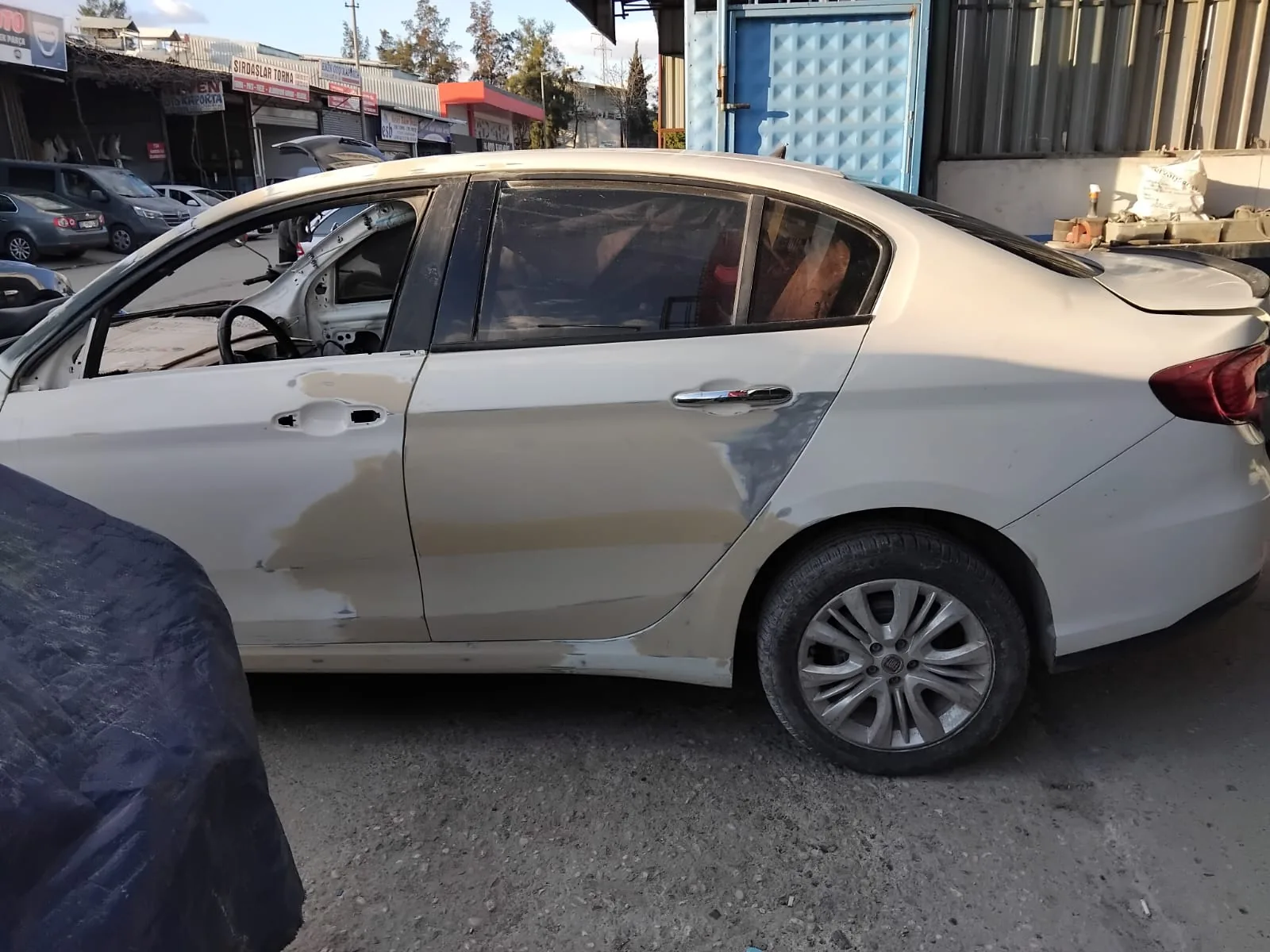
Types of accident reports and when each is required
In minor accidents with no injuries where both parties agree on how the collision occurred, an agreed accident report (kaza tespit tutanağı) may be sufficient. This report is filled out and signed by both drivers.
If there is no agreement, if someone is injured, if one of the vehicles lacks insurance, or if alcohol is suspected, the police or gendarmerie must be called. The type of report directly affects how the insurance company evaluates the claim, so consult your insurance company's call center briefly if you are unsure.
Insurance notification and adjuster stage
After notification, the company provides you with a claim file number. Keep this number safe; it is used in correspondence with the workshop and adjuster. Once the file is opened, an adjuster is assigned and an appointment is scheduled to inspect the vehicle.
The adjuster assesses the extent of the damage and determines which parts will be repaired and which will be replaced. The repair cost is outlined in an official report. Items in the report and additional damage detected by the workshop may differ; in this case, the workshop communicates the situation to the adjuster and insurance company to obtain supplementary approval.
Tip: Be present when the adjuster inspects the vehicle and point out the damaged areas. Pointing out an overlooked detail right then is much easier than getting a correction made later.
Which workshop carries out the repair?
In some policies, the insurance company recommends contracted service centers, or different conditions apply when you use those repair shops. In other policies, workshop selection is entirely yours. This depends on your policy and the company's terms.
We do not claim to have contracted agreements with insurance companies. Whether insured or uninsured, we inspect your damaged vehicle at our workshop and explain the required procedures and turnaround time. Who pays the repair costs and how they are paid is a matter between you and your insurance company. For points to consider when choosing a workshop, you can read our guide on what to look for when choosing a body shop.
How long does the repair take?
The duration varies depending on the extent of damage and parts availability. General turnaround times at our workshop are as follows.
| Damage type | Turnaround time | Factors that extend duration |
|---|---|---|
| Minor damage | 1–3 days | Paint curing, color matching |
| Moderate damage | 5–7 days | Parts procurement, supplementary insurance approval |
| Major damage | 2–4 weeks | Chassis work, multiple replacement parts, insurance approval |
These durations reflect only workshop labor time. Adjuster appointments, insurance approvals, and waiting for spare parts add to these periods; delays related to the insurance company are entirely part of their process. We provide the exact timeline following an inspection.
Major damage and total loss (pert)
If the repair cost gets very close to the vehicle's market value, the insurance company may declare the vehicle a total loss (pert). In this scenario, compensation is paid based on the vehicle's valuation instead of repairing it; the vehicle may be sold as scrap or a salvage vehicle. The insurance company makes this decision.
For heavily damaged vehicles that are not written off as a total loss, checking the chassis, pillars, and structural points is critical. We also perform repairs on heavily damaged and salvage vehicles; for details, visit our page on post-accident bodywork and paint repair.
What should you check upon delivery?
- Color check in daylightCheck whether the color and gloss of the repaired panel match neighboring panels.
- Panel gapsGaps along doors, hood, and bumpers should be symmetrical on both sides.
- Surface qualityThere should be no dust inclusions, paint runs, orange peel variations, or distorted reflections.
- FunctionsEquipment such as doors, windows, sensors, headlights, and cameras must work properly.
- DocumentsCollect the repair invoice, insurance-related documents, and warranty information.
For a more detailed inspection checklist, see our article on checklist for receiving your vehicle after auto painting.
Common mistakes
- Starting repairs before notifying the insurance company; insurance may reject the claim.
- Signing the accident report without reading it.
- Moving the vehicle before taking photos.
- Having repairs done before the adjuster arrives, making it impossible to prove damage.
- Missing the notification deadline.
- Rushing through the delivery check and being unable to prove defects noticed later.
Your insurance company or broker is the best resource for questions regarding coverage, deductibles, and vehicle depreciation (diminution of value).
Send photos of your damaged vehicle and we will provide preliminary information on the repair method and timeframe. Assessment at the workshop is free.
Difference between casco and compulsory traffic insurance
The two insurance types cover different circumstances. Casco (comprehensive insurance) covers damage to your own vehicle according to policy terms. Compulsory traffic insurance covers the damage that the at-fault party caused to the opposing vehicle or third parties.
In an accident where you are not at fault, the other party's traffic insurance can cover your vehicle's repair. Fault distribution and policy terms determine the outcome. Guidance from your insurance company or agent is essential regarding which coverage applies.
Deductibles, depreciation, and supplementary damage
Three concepts frequently appear in casco policies.
- Deductible: Means that you cover a specific portion of the repair cost out of pocket. It is specified in your policy.
- Depreciation: The drop in the repaired vehicle's resale market value. Its coverage depends on the policy terms and fault in the accident.
- Supplementary damage: Hidden damage revealed during disassembly that was not visible during the initial inspection. The workshop informs the insurance company and adjuster; additional approval may be needed.
How these terms apply differs from policy to policy. Specific details are clarified by your insurance company, not the workshop.
Preparing documents and paperwork
Documents required for a claim file vary from company to company, but generally include:
- Policy and claim file number
- Copies of vehicle registration and driver's license
- Agreed accident report or police/gendarmerie accident report
- Photos of the damage
- Alcohol test report, witness details, and statements if required
Keep digital copies of all documents. Being able to share them promptly when additional information is needed between the workshop and the adjuster shortens the process.
How should communication be maintained throughout the process?
A claim file involves three parties: you, the insurance company, and the workshop. Keep a record of your file number, adjuster's name, and appointment dates. When the workshop identifies supplementary damage, it reports it to the insurance company; you should track the claim status through the insurer.
If the timeline drags on, the reason is usually one of three factors: the adjuster appointment, spare parts delivery, or approval for supplementary damage. Asking which step is pending will reveal where the hold-up lies.
Repairs outside insurance coverage
Not all damage may be covered by insurance. For minor damage that falls below the deductible, non-covered items, or expired deadlines, you may pay for repairs out of pocket. In such cases, you can send photos to receive an initial estimate for scratches, dents, and paint before deciding.
Our owner-verified price ranges are 3,500–6,000 TL for a door, 4,000–7,000 TL for a fender, 5,000–10,000 TL for a hood or roof, and 2,500–5,000 TL for a bumper. Complete painting ranges between 25,000–80,000 TL and takes 5–10 days. The final price is given after an assessment.
In summary, the three most important steps in a casco claim process are: gathering evidence immediately after the accident, notifying the insurance company promptly, and obtaining adjuster approval before repairs commence. Workshop choice, turnaround time, and payment terms depend on your policy. By sending photos of your damaged vehicle, you can receive advance information about repair methods and duration at our workshop; decisions and claim management remain between you and your insurer.
Frequently asked questions
How does the casco damage repair process work?
It proceeds step by step: safety and accident report after the collision, insurance notification, insurance adjuster inspection, repair approval, repair, and delivery. Details vary depending on your policy and the insurance company's rules.
Should I go to the workshop or the insurance company first?
If you will have the repair done under casco or insurance coverage, notify the insurance company first and initiate the adjuster process. You can simultaneously send photos to the workshop to get preliminary information.
Do you have contracts with insurance companies?
We do not claim to have contracts with insurance companies. We inspect the damaged vehicle and explain the procedure and turnaround time; the repair cost and payment are between you and your insurance company.
How long does the repair take?
In our workshop, minor damage takes 1–3 days, moderate damage takes 5–7 days, and major damage takes 2–4 weeks. The adjuster appointment, insurance approval, and parts supply add to this time.
When is an accident report required?
It is required in every accident. If there is injury, disagreement, an uninsured vehicle, or suspicion of alcohol, a police or gendarmerie report must be obtained. In minor accidents with mutual agreement, a agreed accident report may be sufficient.
What does an insurance adjuster do?
The adjuster assigned by the insurance company inspects the damage, determines which parts will be repaired or replaced, and reports the repair cost.
What does total loss (pert) mean?
If the repair cost gets very close to the vehicle's market value, the insurance company may declare the vehicle a total loss (pert). The decision belongs to the insurance company; in this case, payment is made based on the vehicle's value instead of repairing it.
What should I look for upon vehicle delivery?
Check the color match in daylight, panel gaps, surface quality, and the operation of vehicle equipment. Collect the invoice and documents.
Related articles and pages
- Post-accident bodywork and paint repair
- Damaged vehicle bodywork repair
- What to look for when choosing a body shop
- How long does auto painting take?
Get an estimate with photos
Send photos of the damage via WhatsApp, and we will provide an initial estimate and turnaround time. Assessment at the workshop is free. Address: Kepez Akdeniz Sanayi, Şafak Mah. 5040. Sk. Sanayi 28/A Blok No 16, Kepez/Antalya.