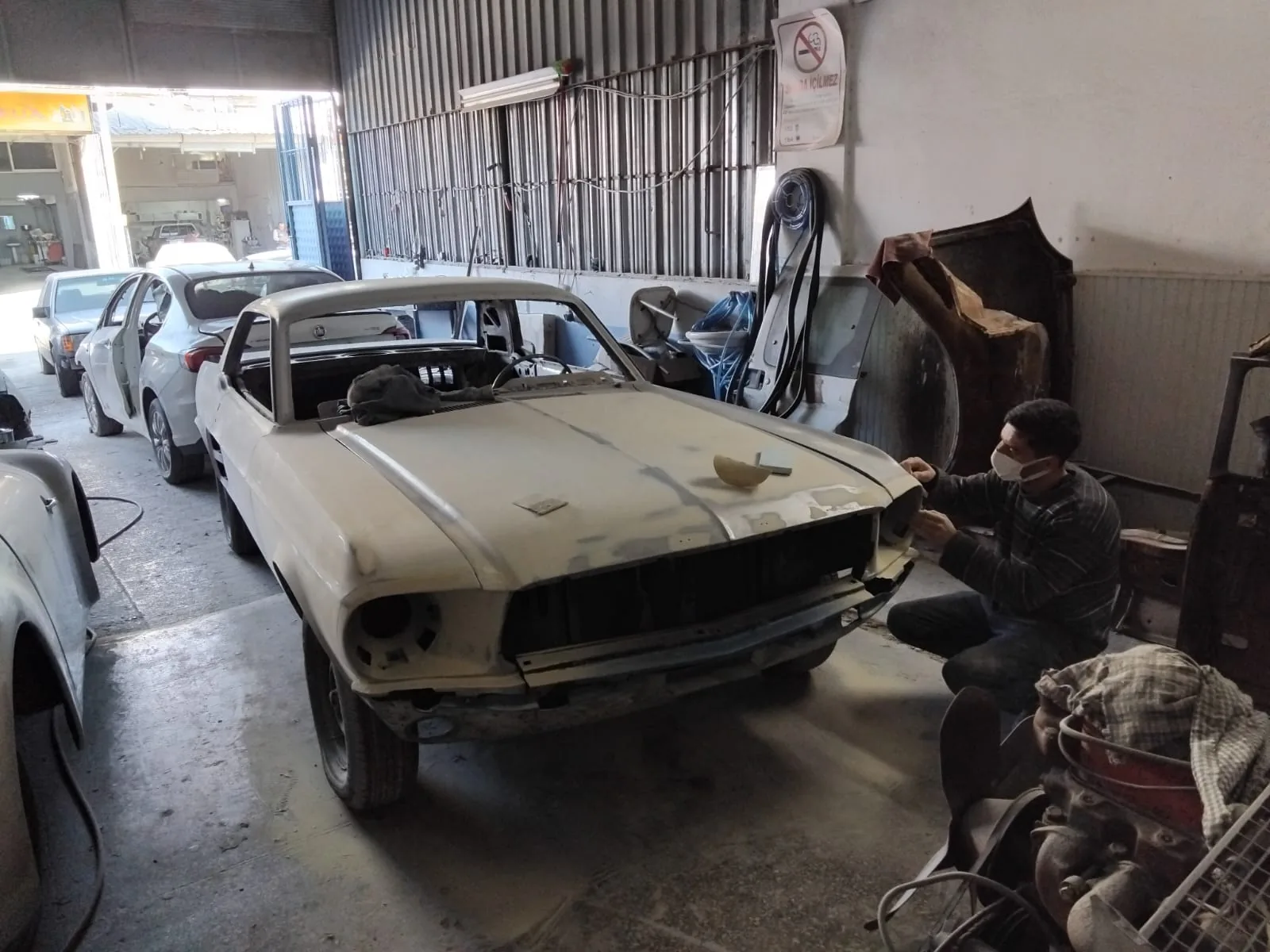
After an accident, the order is usually as follows: first safety and the accident report, then insurance notification and assessment, followed by bodywork and paint repair, and finally the delivery check. Repair duration is 1–3 days for minor damage and 5–7 days for moderate damage. In our workshop in Kepez Akdeniz Sanayi Sitesi industrial estate, bodywork, painting, and assembly are all completed in one place.
First things to do after an accident
Immediately after an accident, the priority is not repair, but securing safety and creating a record. The following steps provide general guidance; your insurance company's instructions take precedence depending on the type of accident.
- SafetyMove vehicles to a safe spot, turn on hazard lights, and call 112 if anyone is injured.
- Accident reportIf the damage is minor and both parties agree, an accident report is filled out. If damage is major or there is a dispute, call the police.
- PhotosPhotograph the positions of vehicles, license plates, damage, and road conditions from multiple angles.
- Insurance notificationNotify your compulsory traffic insurance and comprehensive insurance companies as soon as possible.
- AssessmentAn insurance assessment determines the damage. Do not begin repairs before the assessment.
What is an insurance and comprehensive insurance assessment?
An insurance assessment is when an adjuster appointed by the insurance company inspects the damage and determines the repair cost. Generally, the damage is photographed, and the scope and repair method (repair or replacement) are recorded. After the assessment, a workshop is chosen for repairs or the insurer's contracted repair centers step in. The process and your rights vary depending on the type of insurance.
We explain the process step by step in our article on the comprehensive and insurance damage repair process. The essential point is that the damage is officially documented before any repairs begin.
Send photos of the damaged vehicle, and we will provide initial information on the repair scope. Assessment at our workshop is free.
How does post-accident repair progress?
Once the vehicle arrives at the workshop, the repair follows this sequence. Disrupting the order leads to ripples in the paint, shade differences, or premature clear coat failure.
| Stage | Work performed |
|---|---|
| 1. Damage assessment | The vehicle is inspected, and impact-affected areas are identified. |
| 2. Disassembly | Damaged panels and surrounding components are removed. |
| 3. Bodywork straightening | Sheet metal is straightened; parts are replaced if needed. |
| 4. Body filler and primer | The surface is prepared and primed. |
| 5. Color and paint | Digital color matching with PPG or Standox paint in a dust-free paint booth. |
| 6. Clear coat and assembly | Clear coat is applied, and parts are reinstalled. |
| 7. Delivery check | Panel gaps, color, surface, and lights are inspected. |
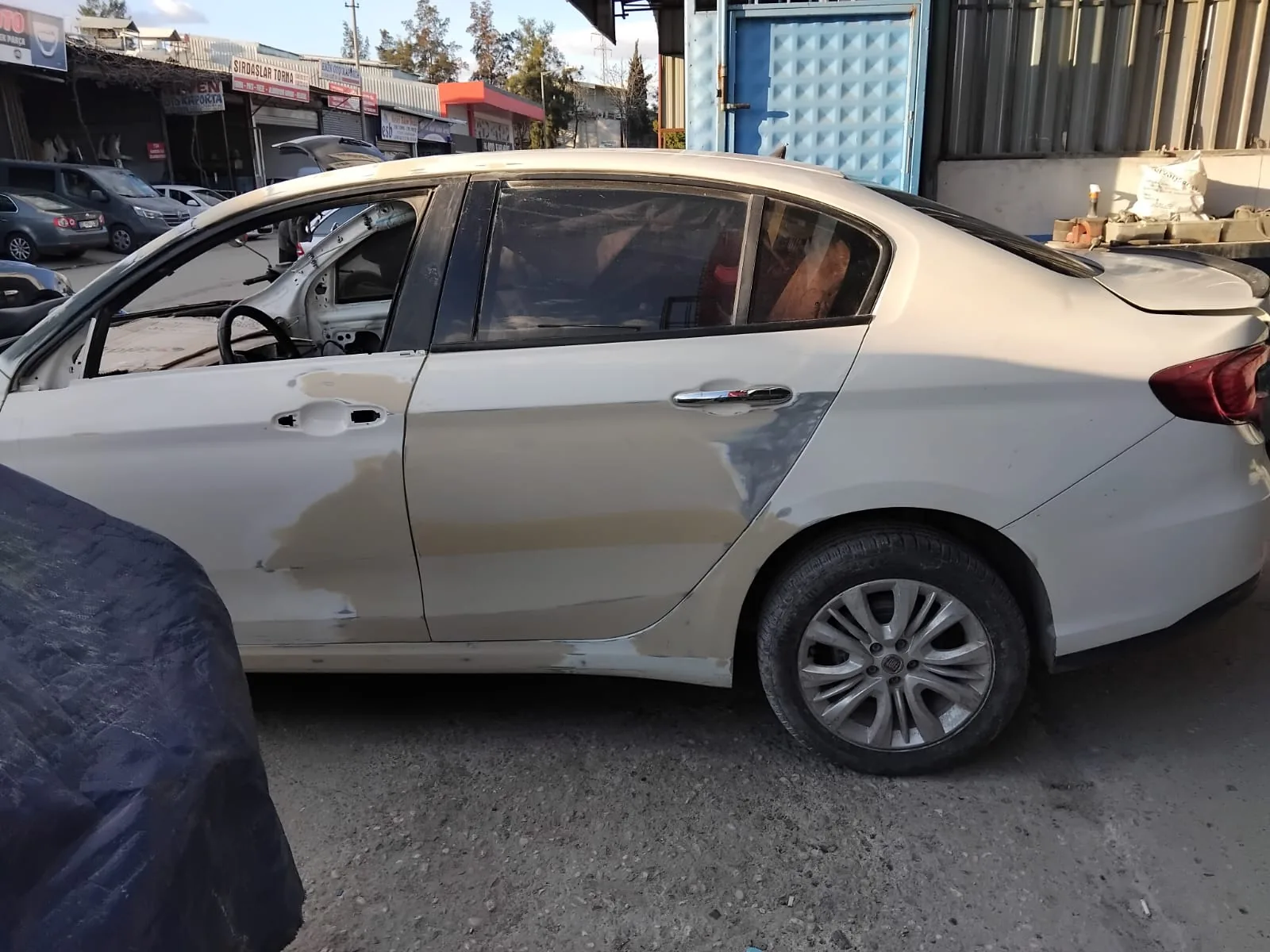
How long does post-accident repair take?
- Minor damage: 1–3 days
- Moderate damage: 5–7 days
- Major damage: 2–4 weeks
Waiting for insurance approval or parts supply can extend this timeframe. For paint prices per panel, see our panel painting prices page. For the scope of repair in major damage cases, our damaged vehicle bodywork repair page provides more details.
What should you check when taking delivery?
Take your time when collecting the repaired vehicle; inspect it outside in natural daylight.
- Are panel gaps (door-to-fender, hood-to-fender) even?
- Is there any shade difference between the newly painted part and adjacent panels?
- Are there ripples, dust specks, runs, or orange peel visible on the surface?
- Do the doors and trunk open and close smoothly?
- Do the headlights, turn signals, sensors, and camera work?
- Does the vehicle drive straight, or does the steering pull to one side?
Tip: Keep before-and-after photos of the repair. They are useful for insurance purposes or when selling the car.
For the full checklist, visit our delivery inspection checklist page.
Difference between traffic insurance and comprehensive insurance
Two different types of insurance may come into play after an accident. Compulsory traffic insurance covers damage caused to the other party when you are not at fault. Comprehensive insurance (kasko) covers damage to your own vehicle according to your policy terms. Which one applies depends on fault ratio, the policy, and the type of damage. Therefore, review your policy and your insurance company's instructions after an accident; ask your insurer about any unclear points.
As a workshop, we do not make insurance decisions. However, we clearly document the damage, explain the repair scope, and provide the information you need during the assessment process.
Can damage remain hidden in an accident?
Yes. In an impact where only the bumper appears scratched from the outside, structural support components, sensors, or mounting brackets behind the bumper may be damaged. If the sound of closing a door has changed, the gap between the bumper and fender has widened, or the vehicle does not drive straight, be sure to have an assessment done. If hidden damage is discovered after painting, both costs and repair time increase.
Before bringing the vehicle to the workshop, send close-up and wide-angle photos of the damaged area. These photos are for preliminary evaluation; the final decision is made after disassembly and inspecting the vehicle in person.
Which workshop should you choose after an accident?
The insurance company may suggest a workshop, but the choice is your right. When deciding, look for these points: are bodywork and painting done under one roof, is the assessment free, is painting done in a dust-free booth, and is there a workmanship warranty? Our article on things to consider when choosing a body shop provides a checklist. We provide free assessments at our workshop and guarantee our workmanship.
What should you watch out for on the vehicle after an accident?
Do not continue driving the vehicle immediately after an accident. Check door closing, bumper alignment, headlight alignment, and look for fluid leaks underneath. If a warning light is lit on the instrument cluster, call a tow truck instead of driving. Before bringing the vehicle to the workshop, check with your insurer to find out what documents they require; the assessment, accident report, and photos are usually needed.
Why is paint especially critical after an accident?
During an impact, paint cracks, and panels are replaced or straightened. The new paint must match neighboring panels in shade; otherwise, the vehicle looks visibly accident-repaired at first glance. Color matching, blending, and proper clear coat application are therefore the most critical aspects of post-accident painting.
Diminution of value and documents for an accident vehicle
A repaired vehicle's market value may decrease after an accident; this is known as loss of value (diminution of value). Compensation for loss of value depends on fault status and insurance terms, so you should check with your insurance company. Keep your repair invoices, assessment report, and before-and-after photos. When selling the car, you can show the buyer how it was repaired.
During repair, only necessary work is performed; unnecessary parts replacement is never recommended. We explain clearly during the assessment what is being done and why.
When should you visit the workshop?
- If the insurance assessment is complete and you are looking for a workshop for repairs
- If panel gaps became uneven after an accident
- If you want to understand the extent of damage and need initial advice
- If the accident vehicle's paint is cracked or peeling
Send photos of the damage, and we will provide an initial price and estimated timeframe. Assessment at the workshop is free.
Frequently Asked Questions
How long does post-accident bodywork and paint repair take?
Minor damage takes 1–3 days, moderate damage takes 5–7 days, and major damage takes 2–4 weeks. Insurance approval and parts supply may extend the timeframe.
What should I do first after an accident?
First ensure safety, call 112 if necessary, complete an accident report, take photos, and notify your insurance company. Do not start repairs before the insurance assessment.
Can I have repairs done before the assessment?
It is generally not recommended. Repairing damage before it is documented can complicate the insurance process.
How does accident repair work with comprehensive insurance (kasko)?
The damage is reported, the insurance assessment is conducted, the repair method is determined, and the repair is completed. For details, see our article on comprehensive and traffic insurance damage repair.
What determines the price after an accident?
The number of damaged panels, the decision to repair or replace, and the paintwork determine the price. For panel painting, a door is in the range of 3,500–6,000 TL, fender 4,000–7,000 TL, hood and roof 5,000–10,000 TL, and bumper 2,500–5,000 TL.
Will there be a paint color difference after repair?
With digital color matching and blending, shade differences are minimized. We recommend inspecting it in daylight upon delivery.
What should I check when collecting the repaired vehicle?
Check the panel gaps, shade difference, surface, door closings, lights, and whether the vehicle drives straight.