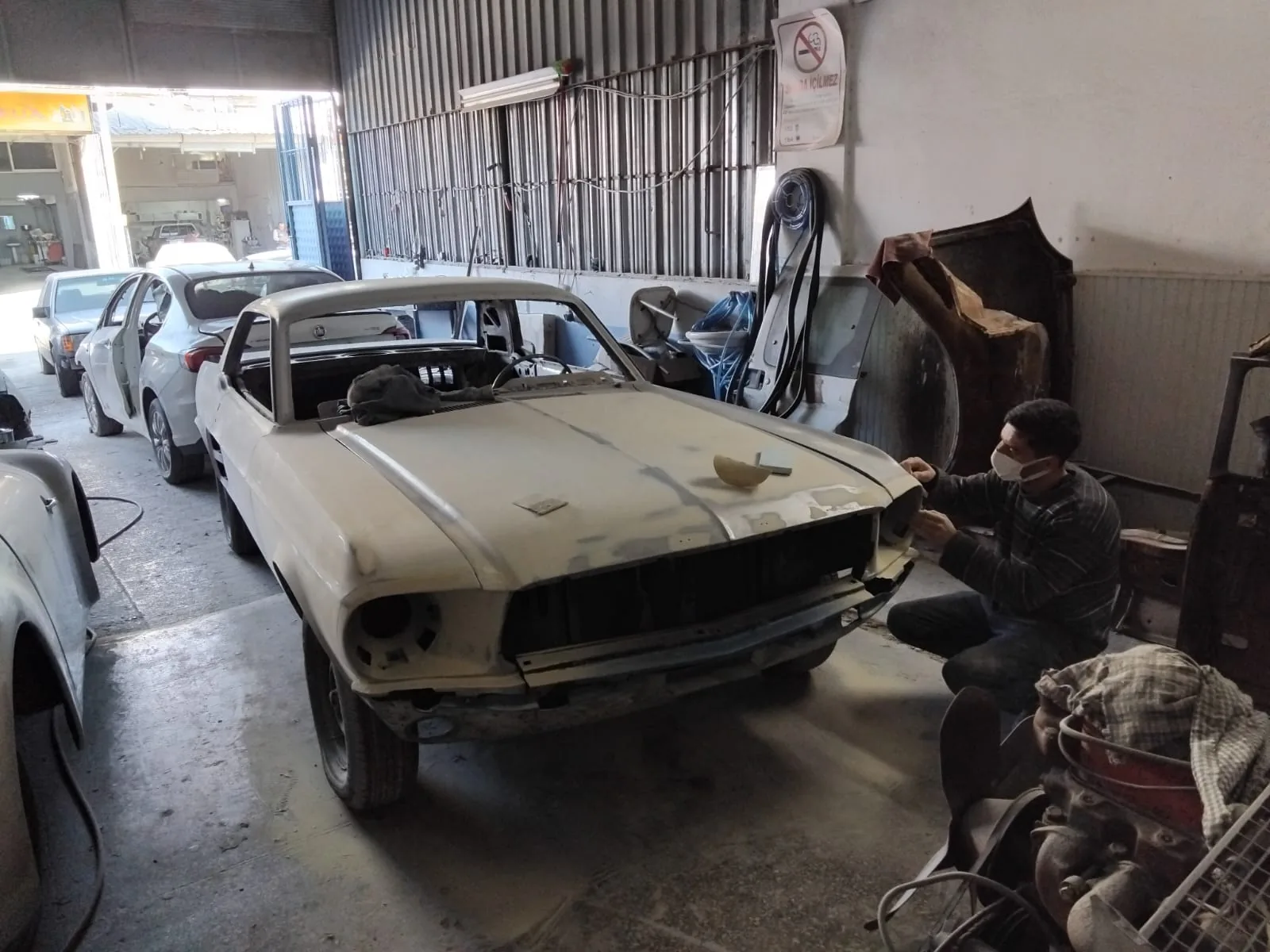
Clear coat peeling is the degradation of the top protective layer, causing it to become dull, turn white, and flake off. Uncracked dullness can be improved with machine polishing; once the clear coat begins peeling, the panel must be sanded and repainted. At our workshop (Kepez Akdeniz Sanayi industrial estate), panel painting ranges from 3,500–6,000 TL for a door and 5,000–10,000 TL for a hood.
If the color on your hood or roof has started looking faded, dull, and rough, you are likely dealing with clear coat peeling. The problem starts small and spreads quickly under the influence of sun and washing. In this article, we explain what the issue is, what can be done at each stage, what helps and hurts at home, and how the repair process works.
What is clear coat, and what layers make up car paint?
Clear coat is the transparent protective layer on top of the paint; it does not contain color, but shields the color from UV rays, rain, and scratches. Without clear coat, the underlying color layer fades quickly.
From top to bottom, a vehicle's paint surface consists of these layers:
- Clear coat (transparent layer)Provides gloss and protects the color. This is the layer where peeling occurs.
- Base coat (color layer)The thin layer that carries the vehicle's color; it is not durable on its own.
- PrimerEnsures paint adhesion to metal and provides rust protection.
- Sheet metal (metal panel)The panel itself. Rust begins when primer and paint are gone.
Clear coat thickness from the factory is limited. Vehicle age, constant sunlight, and improper care wear down this thin layer over time.
What are the initial signs of clear coat peeling?
Peeling does not happen overnight; it progresses through four stages, and each stage requires a different solution. Catching it early is often the deciding factor in repair costs.
| Stage | Appearance | What to do? |
|---|---|---|
| 1. Dullness | Gloss fades, surface appears hazy; feels smooth to the touch | Usually improved with machine polishing |
| 2. Whitening | Whitish spots and fine cracks on the surface; color begins to fade | If clear coat has deteriorated, polishing provides temporary relief; panel may need refinishing |
| 3. Flaking / Peeling | Clear coat flakes off, edges become uneven | Machine polishing does not help; the panel is sanded and repainted (panel painting) |
| 4. Primer exposed | Gray or colored primer, sometimes bare metal shows through | Sanding, primer, paint, and clear coat: panel painting; any rust is removed first |
When checking your car, run your fingertip gently over the affected area. If the surface feels smooth, you are usually in the first stage. A surface that catches, feels rough, or has raised edges indicates that the clear coat has begun lifting.
What causes clear coat peeling?
The most common cause of clear coat peeling is UV damage accumulated over years, but it is not the only one. The most frequent causes include:
- UV rays and heat: Sunlight breaks down the chemical bonds in the clear coat over time. In hot climates, keeping the car outdoors accelerates this process; the hood, roof, and trunk lid are affected most.
- Low-quality paint or insufficient clear coat thickness: Cheap materials or a coat applied too thin shorten its protective lifespan.
- Improper previous paintwork: On panels painted without thorough sanding or in a dusty environment, clear coat fails to bond and peels within a few years. If the problem affects only a previously repainted panel, this is usually the reason.
- Incorrect washing and cleaning: Abrasive brushes, harsh detergents, and wiping with dry cloths scratch the surface; scratches trap moisture and dirt.
- Acidic contaminants: Bird droppings, tree sap, and insect residue eat into the clear coat if left for extended periods. We detailed this topic in our article on cleaning bird droppings.
- Small scratches and stone chips: Moisture and air penetrate through cracked spots in the clear coat, and peeling spreads from there.
You can find maintenance steps to protect the paint surface during hot weather in our article on summer paint protection and UV.
What can and cannot be done at home?
If the surface has not started peeling yet, you can perform safe maintenance, but trying to fix lifting clear coat at home makes the problem worse. The dividing line is whether your finger catches on the surface.
What you can do at home
- Park the vehicle in the shade or in a covered area; the hood and roof receive the most sunlight.
- Use a soft microfiber wash mitt and pH-neutral car shampoo when washing.
- Soften and wipe away bird droppings and insect residue with warm water as soon as you spot them.
- Take photos of the affected area periodically to monitor how fast it spreads.
What not to do
- Do not try to scrape or "clean" peeling clear coat with fingernails or blades; this exposes bare paint and speeds up spreading.
- Do not apply sandpaper and household filler to dull areas.
- Do not spray off-the-shelf aerosol clear coat over peeling spots: it creates noticeable color and texture differences, and makes workshop cleaning much harder later.
- Do not hold pressure washers close to lifting edges; water gets underneath and expands the peeling.
- Do not polish aggressively by hand with heavy compound; you can wear away the remaining thin clear coat entirely.
Caution: Machine polishing only removes a micro-layer from the top of the clear coat. If the clear coat thickness is already depleted, polishing can strip the remaining layer away completely. That is why measuring clear coat thickness before polishing is essential.
Is paint dullness the same as clear coat peeling?
No. Dullness is the contamination or light surface wear of the clear coat and is mostly reversible; clear coat peeling is structural breakdown and is irreversible. Because both look similar at first glance, car owners often choose the wrong method.
There are three simple ways to tell them apart:
- Touch test: A dulled surface feels smooth; a peeling surface feels rough or has distinct edges.
- Water test: If splashing water temporarily restores gloss, there is usually only minor surface wear. If the surface looks whitish again as soon as water dries, the clear coat has degraded.
- Pattern of spread: Dullness typically appears across a broad, even area. Clear coat peeling spreads in patches, cracks, or web-like lines.
If you are not sure, have the paint thickness measured at a workshop before polishing. A paint depth gauge shows both how much clear coat remains and whether the panel was previously repainted. Catching thin clear coat early prevents irreversible mistakes.
Machine polishing or panel painting?
If the surface feels smooth and clear coat thickness is sufficient, machine polishing is enough; if the surface catches, has turned white, or is peeling, panel painting is required. The choice is largely determined by two questions: is the surface smooth, and is primer showing underneath?
| Question | If yes | If no |
|---|---|---|
| Does the surface feel smooth to the touch? | Machine polishing can be tried | Panel painting is required |
| Are there white cracks or patches? | Polishing is temporary, painting should be considered | Polishing may be suitable |
| Is primer or metal visible? | Sanding, primer, and painting are essential | Still an early stage |
| Is clear coat thickness sufficient? | Polishing is safe | Polishing will strip the remaining clear coat; painting is appropriate |
For those looking for lasting results, our recommendation is to repaint the panel directly rather than spending time and money on polishing if the clear coat has truly deteriorated. Polishing a failed clear coat will simply bring back the exact same issue within a few months.
How does paint lifting differ from clear coat peeling?
Paint lifting occurs when the color coat—and usually the primer as well—separates from the metal; it is a deeper issue than clear coat peeling. Clear coat peeling starts from the top, while paint lifting typically starts from underneath due to loss of adhesion.
Typical causes of paint lifting include:
- Inadequate surface preparation: Paint applied over grease, silicone, or rust residue fails to bond securely.
- Moisture and rust: Rust forming under the panel bubbles and lifts the paint; edges, door bottoms, and inner fender lips are high-risk spots.
- Incompatible materials: Mismatched primer, base coat, and clear coat combinations separate over time.
- Impacts and rock chips: Paint can lift and expand outward around a small chip.
Simply painting over an area with lifted paint is not a solution. The flaking paint must be stripped, underlying rust removed, and the surface re-prepped. Because of this, repair costs can be slightly higher than standard clear coat peeling; the exact quote is confirmed once underlying conditions are inspected.
Maintenance habits to prolong clear coat life
Regular and gentle maintenance extends clear coat life, but will not restore clear coat that has already failed. The following habits apply to newly painted or healthy panels.
- Weekly washingRinse off heavy dirt with plenty of water first, then wash with a microfiber mitt. Never wipe with a dry cloth.
- Parking in shadeThe roof and hood receive the most sun. A covered parking garage or shaded spot is the single most effective way to extend clear coat life.
- Prompt cleaningBird droppings, tree sap, and bug splatter should be cleaned within a few hours.
- Periodic polishing and waxingA gentle machine polishing and protective wax once a year can slow down minor surface wear. See our guide on how often to machine polish for recommended intervals.
- Early inspectionRun your fingertip across the hood and roof after every wash. If you feel an edge or catching point, take a photo and monitor it.
Common misconceptions about clear coat peeling
Several misconceptions circulating online mislead car owners about clear coat peeling. The most common ones we encounter are:
- "Spraying clear coat over it fixes it": Spraying clear coat over peeling clear coat is not a solution; the underlying layer continues to separate and takes the new coat with it.
- "Polishing once stops it from peeling again": Polishing only smooths the surface; it does not rebuild clear coat structure.
- "It only happens to old cars": Age is a major factor, but it can also happen on newer panels repainted with poor preparation.
- "The entire car must be repainted": Most of the time, only the affected panel needs repainting. Color blending into adjacent panels is performed if necessary.
How is a panel with peeling clear coat repaired?
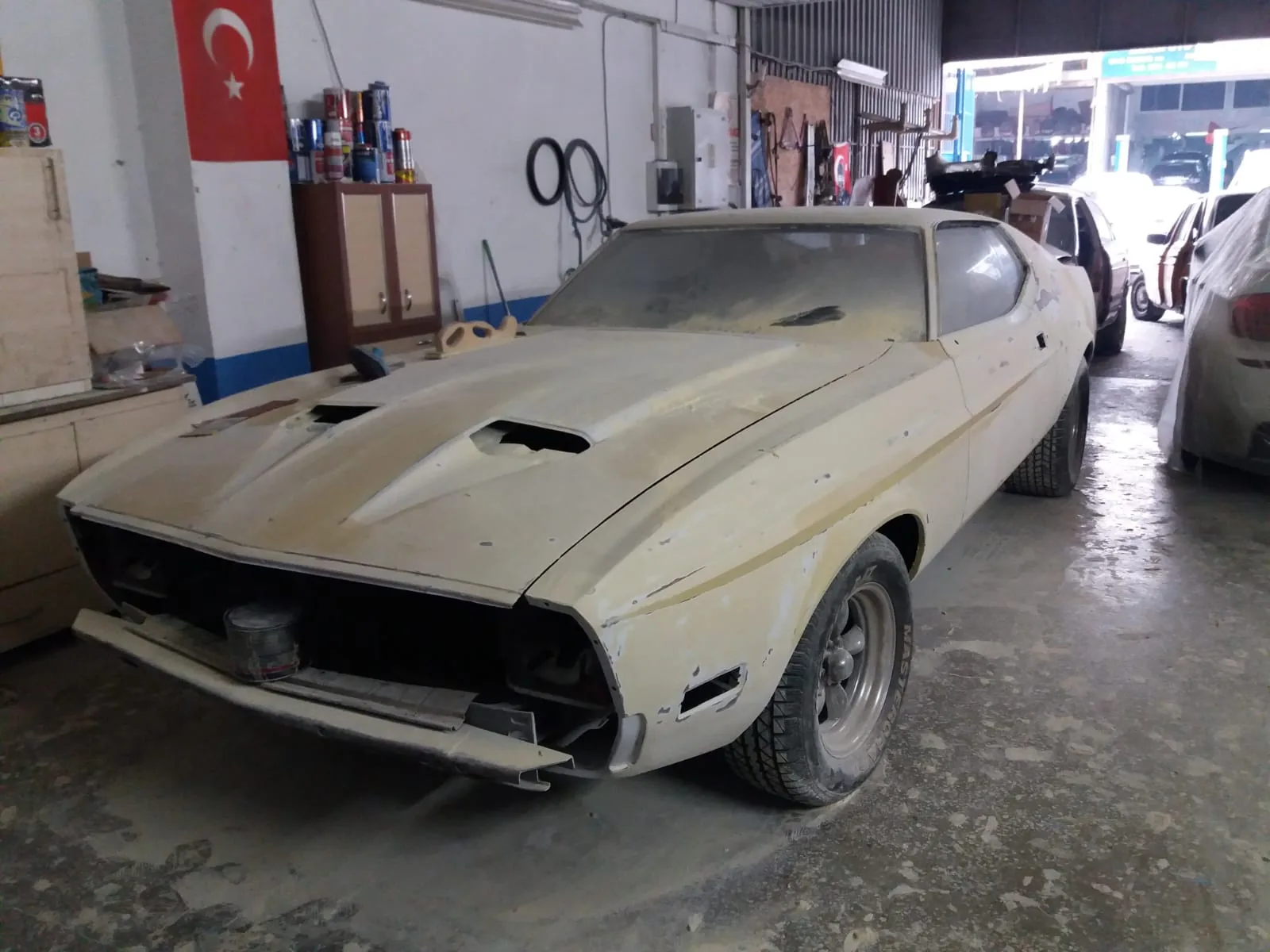
Repair involves removing the old clear coat and compromised paint from the surface, followed by repainting the panel from scratch. The sequence below outlines the standard flow of panel painting, as carried out in our workshop.
- AssessmentThe affected area and adjacent panels are inspected, paint thickness is measured, and rust is checked.
- SandingLifting and degraded clear coat, along with weakened paint, are removed down to a solid foundation.
- Body filler and primerImperfections and low spots are leveled with body filler, followed by primer; any rust is treated beforehand.
- Masking and color matchingAdjacent panels are masked; vehicle color is matched using digital color matching tools.
- Paint and clear coatPaint and clear coat are applied inside a dust-free baking booth using PPG and Standox products, then oven-cured.
- Polishing and deliveryThe surface is polished, inspected for seamless blend with surrounding panels, and your car is delivered.
If the problem is limited to a single panel, usually only that panel is repainted. If multiple panels are affected simultaneously or the entire finish is compromised due to age, a complete respray may be more practical. You can review the details on our paint repair page.
How long does paint last after repair?
A paint job properly prepared and applied in a dust-free booth is expected to stay trouble-free for years; however, explaining care habits and operating conditions is more realistic than promising an exact timeframe. Two cars parked under the exact same sun can age differently.
During the first few weeks after repair, avoid harsh brush car washes, and do not apply polish or wax on the repainted panel until the workshop's recommended curing time has passed. Over the long term, parking in the shade and gentle washing significantly delay peeling on the same panel. Work completed at our workshop includes a workmanship warranty; you can receive written details upon vehicle delivery.
How much does clear coat repair cost, and how long does it take?
Repainting a panel with clear coat peeling starts from 3,500–6,000 TL for a door and goes up to 5,000–10,000 TL for a hood or roof. Prices vary within these ranges depending on panel size and surface condition underneath.
| Affected panel | Price range | Duration |
|---|---|---|
| Door | 3,500–6,000 TL | 1–2 days |
| Fender | 4,000–7,000 TL | 1–2 days |
| Hood or roof | 5,000–10,000 TL | 1–2 days |
| Bumper | 2,500–5,000 TL | 1–2 days |
| Complete paint (multiple panels) | 25,000–80,000 TL | 5–10 days |
Machine polishing generally costs less than these amounts, but only works during the earliest stage. To make the right decision, the stage of degradation must first be assessed, which is why inspections at our workshop are free. For broader pricing details, see our Antalya auto paint prices 2026 guide, and for the overall process overview, check our car painting guide.
Tip: If clear coat peeling starts on one panel, adjacent panels exposed to the same sunlight over the same years will likely follow soon. When requesting a quote, ask about neighboring panels as well; planning them together can reduce overall labor costs if they will need work soon.
Send photos of the dulled or peeling area for an initial quote and turnaround estimate. In-person assessment at the workshop is free.
When should you visit a workshop?
If the surface catches on your fingers, DIY remedies will no longer work. Have the vehicle evaluated at a workshop if you notice any of these signs:
- Clear coat edges show rippling, flaking, or peeling.
- Gray, white, or pinkish primer is becoming visible.
- Rust spots have formed on the bare metal or panel edges.
- You had machine polishing done, and the exact same spot dulled again within a few months.
- You plan to sell the car and the defect is on a prominent panel buyers inspect first.
Why is clear coat peeling so common in Antalya?
Year-round high UV radiation, long summers, and coastal humidity in Antalya wear down paint surfaces rapidly. This is a general climate factor; not every vehicle is affected equally. Vehicles parked outdoors without regular care experience clear coat peeling much more frequently.
Our workshop is located in Kepez Akdeniz Sanayi Sitesi (industrial estate), at Şafak Mah. 5040. Sk. Sanayi 28/A Blok No 16; we are open Monday–Saturday from 08:30 to 19:00. Send a photo via WhatsApp and we will provide an initial quote in writing. For polishing needs, visit our machine polishing page, and for panels needing paintwork, visit our paint repair page.
Frequently asked questions about clear coat peeling and paint lifting
Does clear coat peeling go away on its own?
No. Once the clear coat begins to dull, crack, or peel, it does not fix itself and spreads over time. In early stages, the appearance can be improved with machine polishing; if peeling has started, the panel must be repainted.
Can car clear coat peeling be repaired with machine polishing?
Only if the top surface of the clear coat has dulled and has not yet cracked or lifted. If the clear coat has started flaking off, turning white, or showing primer, machine polishing will not help; the panel must be sanded and reapplied with paint and clear coat.
How much does it cost to repaint a panel with clear coat peeling?
Panel painting ranges at our workshop are as follows: door 3,500–6,000 TL, fender 4,000–7,000 TL, hood or roof 5,000–10,000 TL, bumper 2,500–5,000 TL. If multiple panels are affected, complete respray is evaluated in the 25,000–80,000 TL range. An exact price is provided after photos or an on-site assessment.
Which parts most commonly experience clear coat peeling?
On horizontal surfaces most exposed to the sun: hood, roof, and trunk lid. Fenders and side mirrors come next. Panels previously painted with inadequate preparation can also develop the same issue.
Does clear coat peeling reduce car value?
Visible clear coat peeling gives secondhand buyers leverage to negotiate. A repaired and properly painted panel generally causes less value loss than a peeling surface. The repainted panel will appear on the inspection report.
How can I prevent clear coat peeling?
Keep the car in the shade as much as possible, avoid abrasive brushes and harsh detergents during washing, clean acidic contamination like bird droppings immediately, and maintain the clear coat regularly. Reducing UV exposure in summer is essential.
What should I do before visiting the workshop?
Take close-up and wide photos of the affected area in daylight and send them via WhatsApp. We will reply with an estimate and expected turnaround time; for an exact assessment, a free inspection is carried out at our workshop.
Related pages
- Antalya paint repair: repainting peeling and damaged surfaces
- Machine polishing Antalya: for early-stage dullness
- Summer paint protection and UV: ways to reduce sun damage
- Car painting guide: prices, duration, and workshop selection
- Cleaning bird droppings: what to do against acidic contamination