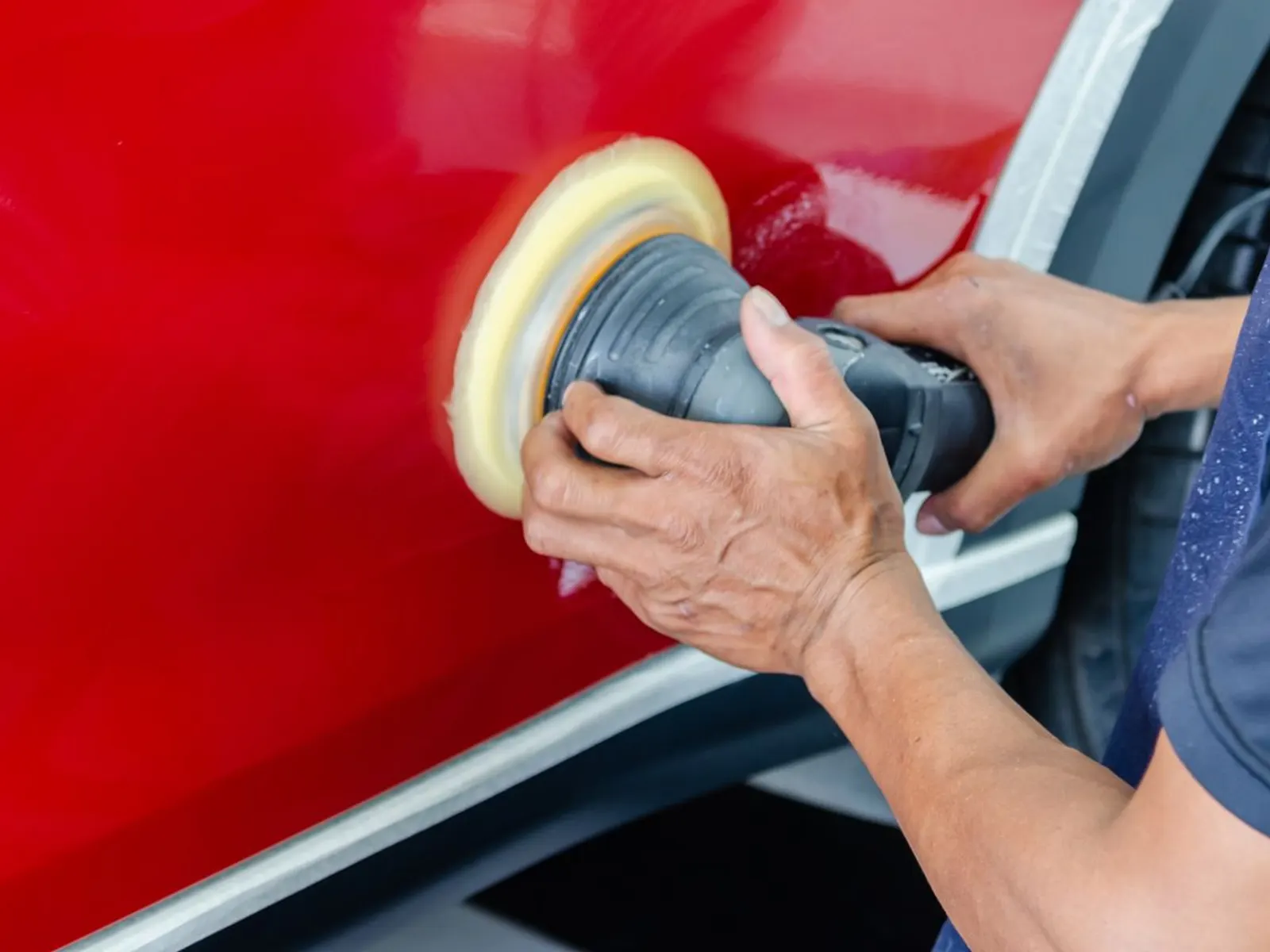
The most effective ways to protect car paint in Antalya's summer are parking in the shade, cleaning bird droppings the same day, washing during cool hours, and regular waxing. If the clear coat has turned dull or started peeling, routine maintenance is not enough; panel painting at our workshop in Kepez Akdeniz Sanayi industrial estate usually takes 1–2 days and assessment is free.
Summer in Antalya is the toughest time of year for car paint. The sun beats down at a steep angle for long hours, the hood of a parked dark-colored car gets too hot to touch, and along the coast, humidity and salt add to the strain. Clear coat, the top layer of paint, bears this brunt; when clear coat degrades, the shine fades first, followed by color loss, and finally the clear coat begins to flake and peel. In this article, we explain the most common summer damage seen on vehicles visiting our workshop and simple habits you can adopt at home to prevent it.
What does summer heat do to car paint?
Factory paint typically consists of three layers: primer, base coat (color), and clear coat. Ultraviolet sun rays and high temperatures affect the clear coat most. Over time, clear coat thins and turns dull; horizontal surfaces directly facing the sun, such as the hood, roof, and trunk lid, wear out faster than side panels. Because dark-colored cars absorb more heat, fading and dullness appear earlier on them.
Heat does not cause damage alone; it acts together with surface dirt. When bird droppings, tree sap, and insect residues bake in the sun, their acidity intensifies and can etch permanent stains into the clear coat within a few days. Limescale water spots drying in the sun also leave ring-shaped marks on the surface.
7 rules to protect car paint in Antalya heat
1. Park in the shade whenever possible
This is the cheapest and most effective measure. Covered parking, tree shade, or building shade—keeping the vehicle out of direct sunlight during the hottest hours of the day (roughly 11:00–16:00) significantly extends clear coat lifespan. If parking under trees, consider the risk of sap and bird droppings, and inspect the surface more often.
2. Clean bird droppings and sap the same day
Do not leave these contaminants to sit. Lift them off with plenty of water and a soft microfiber cloth by soaking and gently dabbing, without rubbing. Wiping with a dry cloth drags hard grit across the paint and causes fine scratches. See our detailed guide on this topic: cleaning bird droppings from paint.
3. Never wash the car in direct sunlight or while hot
Washing when bodywork is hot causes shampoo and water to evaporate rapidly, leaving behind stains and water spots. Wash early in the morning or in the cool of the evening, in the shade. Start with a thorough pre-rinse using plenty of water, wash with a pH-neutral car shampoo using the two-bucket method, and dry with a microfiber towel. We explained the scratches caused by automatic brush car washes in our article on improper car washing.
4. Protect the clear coat with regular waxing
A quality wax or sealant forms a thin protective barrier over the clear coat; dirt sticks less, washing becomes easier, and dulling is delayed. In Antalya conditions, applying wax twice a year—at the start of summer and in autumn—is a good baseline. If the clear coat has mild dullness and fine scratches, compounding followed by polishing is necessary. You can find how often it should be done in our article on how often to machine polish; for workshop application, see our machine polishing page.
5. Do not leave stone chips and minor scratches untreated
Small stone chips on the front bumper and hood expand faster in summer: once the clear coat is compromised, the base coat and primer underneath are directly exposed to sunlight and humidity. On metal panels, this can turn into rust over time. Minor damage can usually be addressed with spot repair painting or scratch repair and touch-up without painting the entire panel.
6. Use a breathable cover for prolonged parking
A car cover works well for holidays or long-term parking, but choosing the right one is critical. Non-breathable cheap covers trap moisture and heat underneath; flapping in the wind, they grind dust particles against the surface like sandpaper. Only use a well-fitted, breathable cover on a clean car.
7. Catch fading and clear coat peeling early
After washing, take a walk around the car in natural daylight. If you notice a paler shade on the hood and roof compared to other panels, whitish spots after rain, or clear coat lifting along edges, act early. Early-stage dullness can often be restored with machine polishing; once the clear coat has peeled, repainting the affected panel is required.
Summer damage, symptoms, and solutions table
Most summer damage begins in the same place: clear coat. The table below summarizes what symptoms mean and what solution is typically required.
| Summer damage | Symptom | Solution |
|---|---|---|
| Clear coat dulling | Gloss is gone; hood and roof are duller than side panels. | In early stages, machine polishing. |
| Clear coat peeling | Flaking, whitish patches, peeling along edges. | Repainting the affected panel. |
| Bird dropping / sap stain | Permanent ring or etched mark after drying. | If minor, machine polishing; if deep, spot repair painting or panel repaint. |
| Limescale / water spots | Ring-shaped marks from droplets drying in the sun. | Light cutting compound and polish. |
| Stone chip | Chipped spot on front bumper and hood expanding around the edges. | Spot repair painting or touch-up. |
| Tone difference (fading) | One panel noticeably lighter than the others. | If minor, polish/wax; if pronounced, panel repainting. |
When should you visit the workshop?
If you observe any of the following conditions, maintenance can no longer be handled at home:
- Clear coat is flaking off or bubbling on the surface.
- The color of one panel has become noticeably lighter than the others.
- A stone chip or scratch extends down to the metal, and rust has started forming around it.
- A permanent stain remains on the surface after cleaning bird droppings or sap.
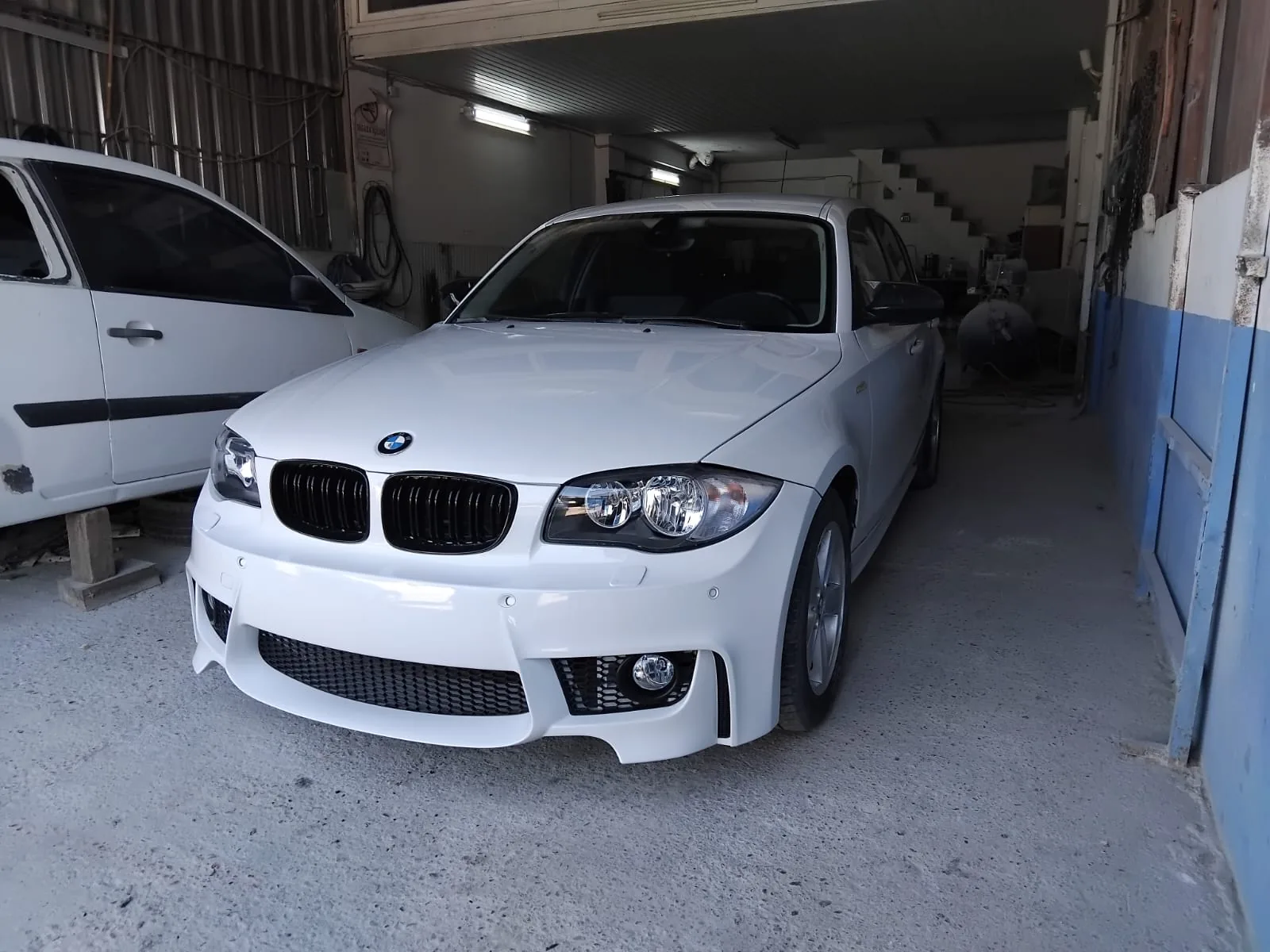
In these situations, the right solution—depending on the extent of damage—is machine polishing, spot repair painting, or panel repainting. At our workshop, we work with PPG and Standox paints, a dust-free oven-baked paint booth, and digital color matching; panel painting usually takes 1–2 days. You can find current price ranges in our article on car paint prices 2026.
Preliminary estimate from photos
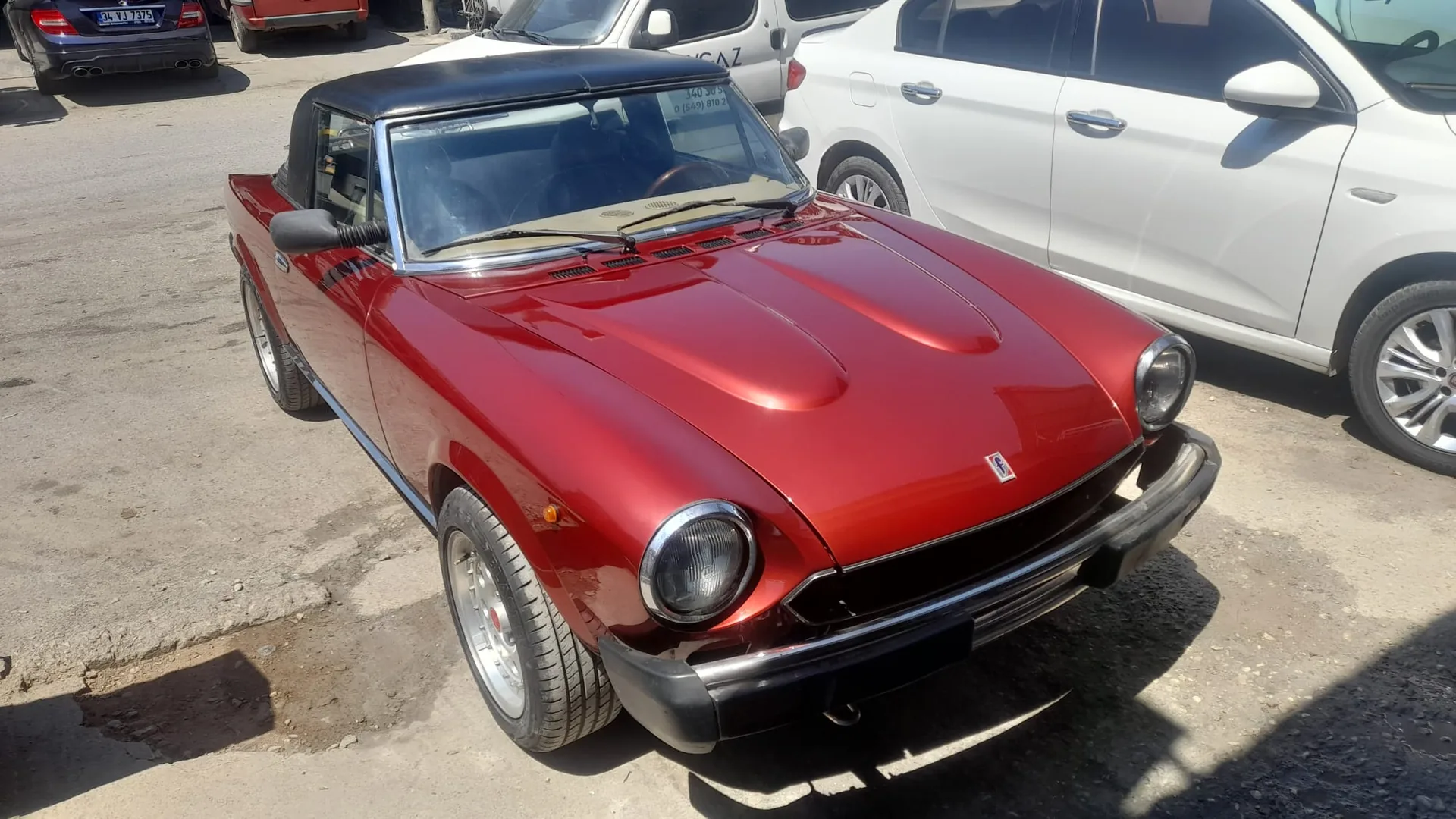
Send a photo of the damage on your vehicle via WhatsApp, and we will provide an initial estimate and timeframe. In-workshop assessment is free. Address: Akdeniz Sanayi Sitesi, Kepez/Antalya; Monday–Saturday 08:30–19:00.
Frequently asked questions
How often should a car be washed in summer?
It depends on usage, but during Antalya summers, washing every 1–2 weeks and cleaning contaminants like bird droppings on the same day is sufficient for most cars. The method matters more than frequency: in the shade, on a cool surface, and with clean microfiber.
Can sun-faded paint be restored?
If fading is on the surface of the clear coat and at an early stage, machine polishing can largely restore the shine. If the clear coat has thinned or peeled, the permanent solution is repainting the panel.
When can I wash a freshly painted car?
Paint cured in an oven-baked booth is dry upon delivery, but we recommend avoiding high-pressure washes and automatic brush car washes for the first few weeks.