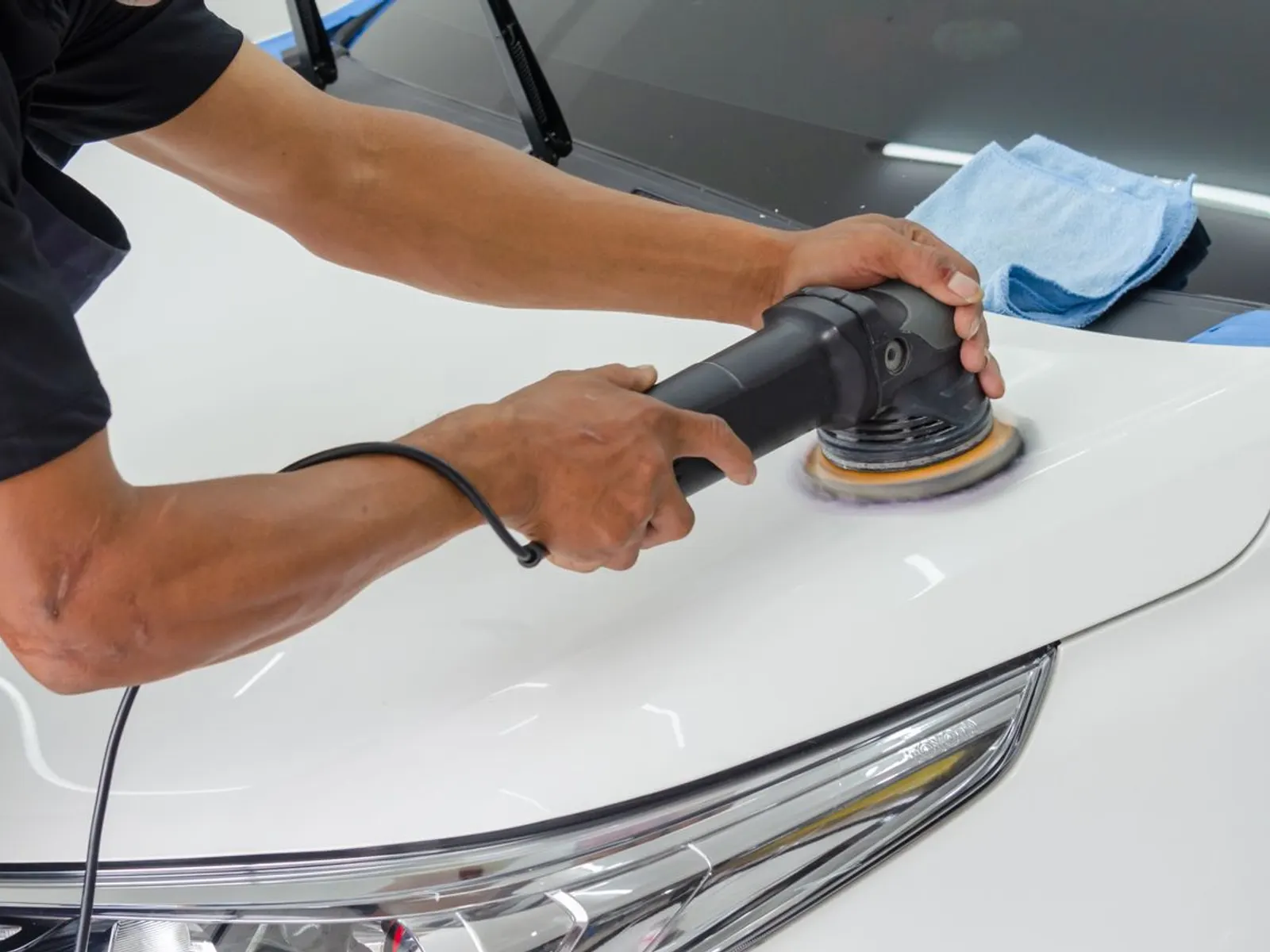
There is no fixed answer to how often machine polishing should be done; generally, it is performed when the paint looks dull, swirled, or scratched, rather than on a set schedule. Compounding removes a very thin layer of clear coat, so unnecessary repetition thins the paint. Under normal usage, an evaluation once a year or less frequently may be sufficient for most vehicles; the final decision depends on paint condition. We can assess your paint from photos at our workshop in Kepez Akdeniz Sanayi (industrial estate).
What is machine polishing, and how does compound differ from polish?
The two are often confused, but they are different steps. Compounding uses a mild abrasive compound to level out scratches, dull layers, and stains on the surface of the clear coat. Polishing (or finishing polish) is the final step that brings out gloss and leaves a thin protective layer.
| Feature | Compound | Polish |
|---|---|---|
| Purpose | Remove scratches, swirl marks, and dullness | Add gloss and smooth the surface |
| Action | Removes a very thin layer of clear coat | Non-abrasive, smooths and adds shine |
| Effect on paint thickness | Clear coat thins slightly | Virtually no effect |
| How often? | Only when needed | After compounding and for maintenance |
| Result | Scratches removed, surface leveled | High gloss, temporary protection |
In our workshop, the two are usually done together: first, the surface is leveled with compounding, then brought to a shine with polish. For service details, you can visit our machine polishing page.
How often should machine polishing be done?
Clear coat thickness is limited. Every compounding step removes a small amount of clear coat; therefore, the goal is not to do it frequently, but when needed and in moderation. The intervals below provide a general guideline and are not absolute rules.
| Usage | General approach | Note |
|---|---|---|
| Garage-kept, low-mileage vehicle | Often not needed for years | Only if swirl marks or dullness appear |
| Daily driver, regularly washed vehicle | An annual assessment may be sufficient | Check if actually needed |
| Parked outdoors, exposed to sun and dust | May need checking once or twice a year | Dullness appears sooner |
| Frequently run through automatic car washes | Swirl marks develop more quickly | Fix washing habits first |
| Before sale or handover | One-off if necessary | Restores the surface appearance |
Tip: Look at the condition of the paint rather than a calendar. If your washed car shows no swirl marks, dullness, or scratches in direct sunlight, there is no need for machine polishing.
Signs that your car needs machine polishing
- Loss of gloss: The paint looks hazy and dull despite washing.
- Swirl marks and cobwebbing: Circular fine scratches are visible under sunlight.
- Surface scratches: Fine scratches where a fingernail does not catch.
- Water spots and bird dropping stains: Ring marks remain that do not wash off.
- Rough texture: When running your hand over washed paint, it feels textured or sandpaper-like.
- Change in water beading: Water that once beaded now pools or spreads flat.
Situations where machine polishing won't work
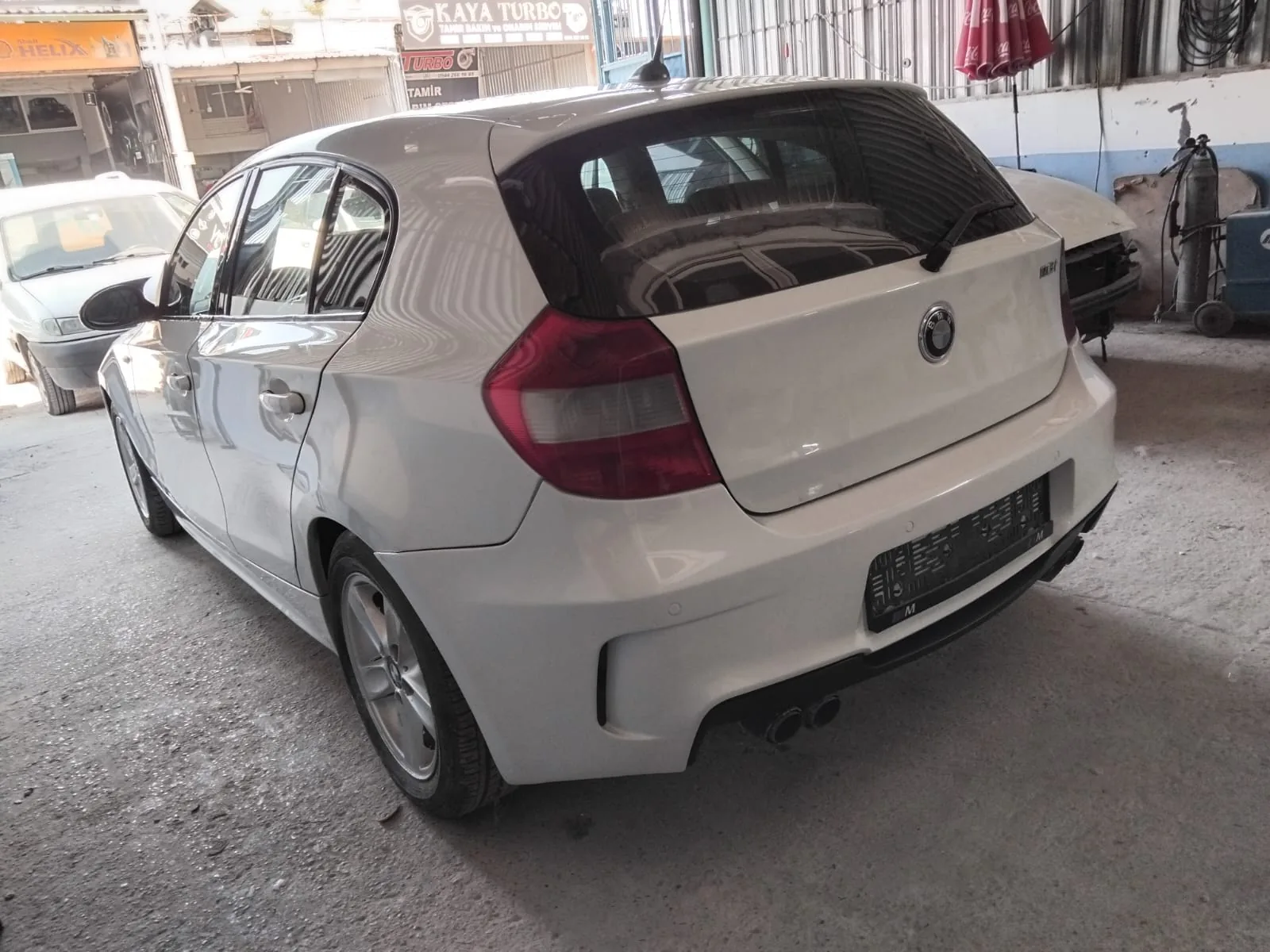
Not every problem can be solved with machine polishing. If a scratch clearly catches on your fingernail, base color or primer is exposed, or the clear coat is already too thin, polishing will not help.
- If the scratch has reached the paint layer or primer, painting is required. For guidance, see our fingernail test article.
- Clear coat peeling, bubbling, or flaking cannot be resolved with polishing; repainting is necessary. See clear coat peeling and paint flaking.
- If discoloration begins beneath the clear coat, polishing may shine the surface, but it cannot restore the color.
- On a newly painted vehicle, machine polishing must not be done before the paint has fully cured; the workshop will advise on the right timing.
Caution: Repeatedly compounding the same area reduces clear coat thickness. When the clear coat becomes too thin, the paint fades and becomes more vulnerable to scratches. Do not polish frequently just to make it "shine."
How is machine polishing done?
In our workshop, the machine polishing process usually follows these steps:
- AssessmentPaint condition, scratch depth, and clear coat thickness are inspected. We determine whether polishing is sufficient or not.
- Washing and preparationThe vehicle is washed, dirt and old residues are decontaminated, and trim and edges are masked.
- Compounding stageThe surface is leveled using an appropriate cutting compound and polishing machine matched to the damage depth.
- FinishingRemaining swirl marks and machine haze are removed with a finer finishing polish.
- Polishing and protectionThe surface is polished to a high gloss and protected.
- Delivery inspectionThe vehicle is inspected together under daylight.
In addition to machine polishing, we offer spot repair painting, touch-ups, bumper repairs, panel painting, and full vehicle repainting. We do not apply ceramic coatings or paint protection films (PPF).
Care after machine polishing
Because the surface is completely smooth after polishing, the same washing mistakes can quickly introduce new swirl marks. For this reason, proper washing habits are essential.
- Avoid harsh chemicals and aggressive detailing products in the first few days.
- When washing by hand, use the two-bucket method and clean microfiber wash mitts or towels.
- Avoid automatic brush car washes.
- Remove bird droppings and insect residue promptly. You can check our articles on cleaning bird droppings and car wash scratches.
Machine polishing in Antalya conditions
In Antalya, intense summer sun, dust, and pollen cause vehicles parked outdoors to develop dullness and stains more quickly. This does not mean machine polishing should be done more often; proper washing routines and parking in the shade are what extend clear coat life.
An inspection in spring after the rainy winter season is an ideal time to see whether your vehicle needs machine polishing. For winter care, take a look at our winter car paint care guide.
When should you visit a workshop?
- If swirl marks or dull patches remain after attempting polishing at home.
- If scratches catch on your fingernail or base color is visible.
- If you have concerns about thin clear coat along body lines and edges.
- If you want to refresh the paint before selling or returning a vehicle.
Send photos of your vehicle, and we will tell you whether machine polishing is needed. Assessment at the workshop is free.
Clear coat thickness and polishing frequency
A car's clear coat layer is typically only a few dozen microns thick. Each compounding step removes a very small portion of it. A single polishing session is completely fine, but repeated compounding over time leads to noticeable thinning of the clear coat.
Therefore, the objective of quality machine polishing is never to remove more than necessary. For scratch removal, the process starts with the gentlest combination; if that is insufficient, a slightly more aggressive pad or compound is used. If paint gauge measurement is needed, it can be checked during an assessment.
Compound only, or compound and polish?
If there are scratches, swirl marks, and dullness, compounding followed by finishing polish is needed. If the paint is in good shape and only gloss is desired, a light polish or glaze without compounding can be sufficient; because this is non-abrasive, it can be applied more frequently.
- Scratches or swirl marks present: Compounding and polish.
- Only looks dull: A light polish or after-wash maintenance spray may be enough.
- Deep scratches, peeling, bubbling: Paint repair.
We can advise which option suits your car through photos or an in-person assessment. Remember that machine polishing is not a routine maintenance schedule, but a corrective treatment carried out when the need arises.
Common question: Does machine polishing protect the paint?
Machine polishing does not provide permanent protection. Compounding removes scratches, while polish restores gloss and can provide a short-term hydrophobic effect. The true way to preserve paint over the long term is proper washing, parking in the shade, and promptly cleaning off dirt.
For this reason, the idea of "polishing two or three times a year for protection" is incorrect. Compounding is a corrective process, not a protective layer. Protection comes from daily maintenance habits.
Machine polishing after fresh paint
Machine polishing is not performed on freshly painted panels before the paint and clear coat have fully cured. Curing time varies depending on the paint system and ambient temperature; the workshop that painted the car will advise on the appropriate timeframe. In the first few weeks after delivery, washing the car gently by hand without harsh chemicals is sufficient.
If minor defects such as dust nibs appear after painting, these can be corrected at the workshop once the paint has fully settled. You can find what to look for at delivery in our car paint delivery inspection checklist.
Which vehicles require machine polishing more often?
On dark-colored cars, swirl marks and scratches are far more noticeable, so the need for machine polishing is noticed sooner. A similar situation occurs with vehicles parked outdoors, frequently washed in automatic tunnels, or subjected to frequent rubbing around door handles and trunk edges.
For these vehicles, the goal is not to polish more frequently, but to minimize what causes the scratches in the first place. Improving your washing method naturally reduces the need for polishing.
What to look out for when getting machine polishing done
- Ask to be informed about the paint condition and clear coat thickness before the work begins.
- If a scratch is deep enough to require painting, this should be stated clearly.
- Ensure that edges, body character lines, and plastic trim are masked and handled carefully.
- Inspect the vehicle in direct daylight at handover; no buffer trails, holograms, or swirl marks should remain.
- Keep in mind that machine polishing is not permanent protection, and ask for maintenance recommendations.
Assessment before the service is free at our workshop; you can also send photos for initial information.
In conclusion, machine polishing is not scheduled maintenance, but a decision based on paint appearance. If your washed car looks glossy and even under the sun, leaving it alone is best. If swirl marks, dullness, or light surface scratches are visible, machine polishing can be the solution; if a scratch catches on your fingernail, painting comes into play. When in doubt, send a photo, and let's assess it together at our workshop free of charge.
Frequently asked questions
How often should machine polishing be done?
There is no fixed schedule. It is done when the paint looks dull, swirled, or scratched. For most cars, an assessment once a year may be sufficient; unnecessary repetition thins the clear coat.
Are compound and polish the same thing?
No. Cutting compound removes a very thin layer of clear coat to eliminate scratches and dullness. Polish, on the other hand, restores shine and smooths the surface. They are usually done together.
Does frequent machine polishing damage the paint?
Every compounding step removes a very small amount of clear coat. If done more often than necessary, the clear coat thins out, the paint fades, and the risk of scratches increases.
Which scratches does machine polishing remove?
It removes fine scratches and swirl marks on the surface of the clear coat where your fingernail does not catch. Scratches where a fingernail clearly catches require painting.
How do I know if my car needs machine polishing?
Loss of shine on washed paint, swirl marks visible in sunlight, fine scratches, and stains that do not come off with washing indicate the need for machine polishing.
Does the paint protect itself after machine polishing?
Polish leaves a temporary protective layer on the surface. It does not provide permanent protection; washing habits and parking in the shade determine the longevity.
Can you machine polish a freshly painted car?
It is not done before the paint has fully cured. The workshop that painted the car will tell you when it can be done.
Can I send photos for machine polishing?
Yes. Send a photo of your vehicle via WhatsApp, and we will tell you whether machine polishing is necessary. Assessment at the workshop is free.
Related articles and pages
Get an estimate with photos
Send photos of the damage via WhatsApp, and we will provide an initial estimate and turnaround time. Assessment at the workshop is free. Address: Kepez Akdeniz Sanayi, Şafak Mah. 5040. Sk. Sanayi 28/A Blok No 16, Kepez/Antalya.