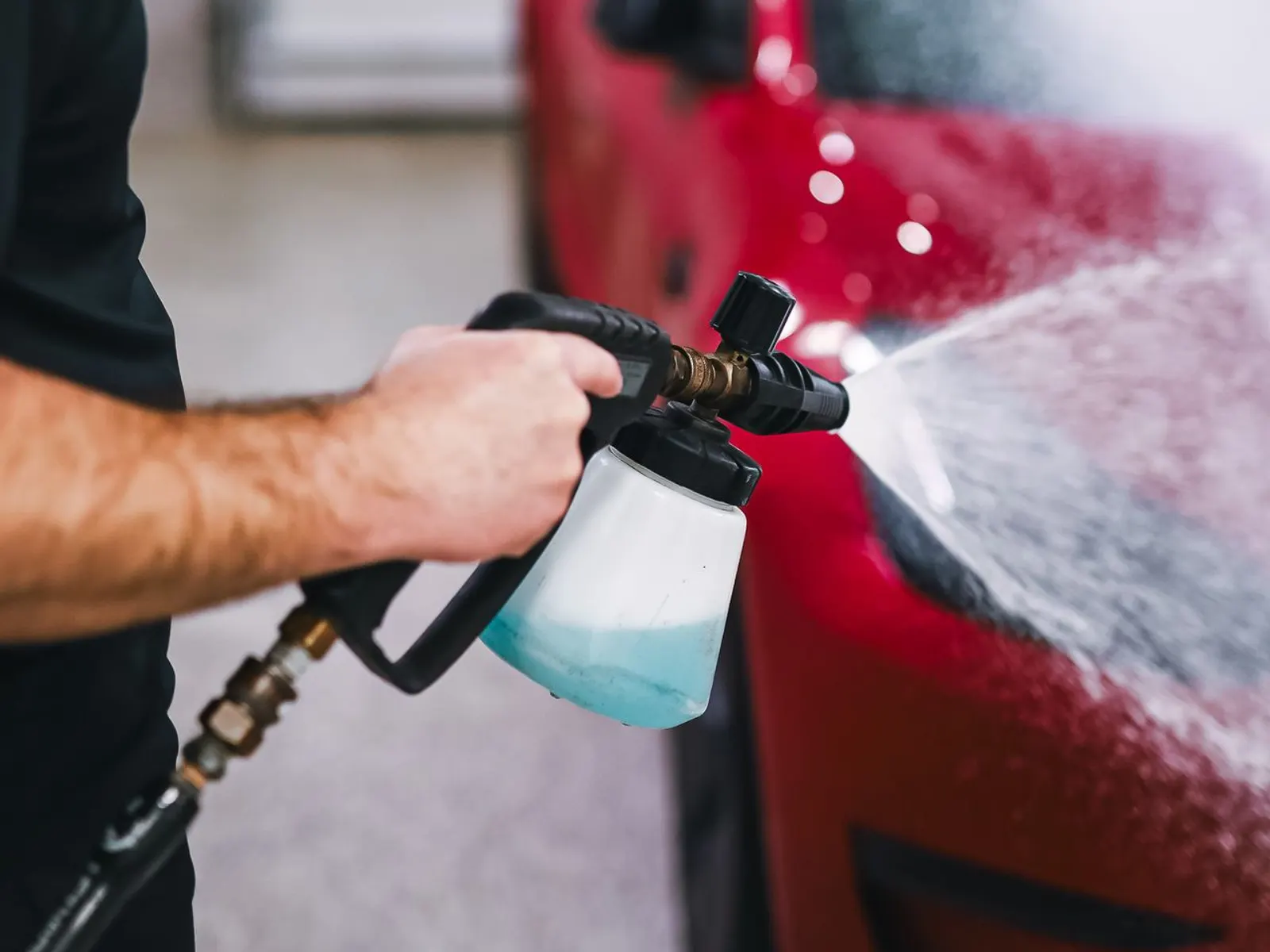
Three things are enough for winter car paint care: regularly washing and drying the car, keeping areas where rain and moisture linger clean, and repairing stone chips and scratches before rust begins. In Antalya, winter does not mean harsh cold, but rain and humidity; road salt only becomes an issue when driving up into the mountains. You can photograph paint damage and send it to our workshop in Kepez Akdeniz Sanayi.
Why is winter car paint care important?
Paint experiences wear in every season of the year, but winter months differ for two reasons: moisture stays on the car for extended periods, and rain causes dirt, sand, and road grime to adhere to the surface more stubbornly. Any pre-existing small chip or scratch in the paint finds ideal conditions for rust when combined with this moisture.
In this article, we explain Antalya's winter conditions, the impact of road salt encountered on mountain trips, and month-by-month maintenance tasks. The information provided is general guidance; it may vary depending on the vehicle brand and the condition of the paint.
What does winter do to car paint in Antalya?
Winter months in Antalya are generally mild but rainy. Freezing conditions are rare; the primary factors are rain, high humidity, and salty air coming from the coast.
- Rain and acidic deposits: When raindrops mix with dust and pollen, they leave spots and marks as they dry. These spots can become permanent on the clear coat.
- High humidity: If moisture penetrates through a paint scratch or chip to the bare sheet metal, rusting begins. Bottoms of doors, wheel arch lips, and lower bumper lines are the primary risk zones.
- Salty coastal air: When parking near the sea, airborne salt particles can accelerate corrosion on metal parts.
- Fallen leaves and pine cones: When parked under trees, leaves and sap stick to the paint and leave stains.
- Shorter daylight hours: With less sunshine, vehicles dry slowly, allowing moisture to remain on the surface for longer.
Mountain trips and road salt
If you drive up to high-altitude mountain roads around Antalya, de-icing salt may be used on snow-covered stretches. This salt splatters from tires and the road surface, settling onto the vehicle's underbody, inner wheel wells, and lower bumpers.
Caution: Salt becomes invisible once dry, but in the presence of moisture, it corrodes metal. Rinsing the underbody and wheel wells thoroughly with plenty of water after returning from salted roads should be the first maintenance step. This does not happen every year; it only becomes relevant when driving on salted roads.
Do not delay washing the car after returning. If the undercarriage, wheel wells, and door sills are rinsed within the first two to three days, salt accumulation is cleaned away before causing damage.
Month-by-month winter maintenance calendar
The table below outlines what to do during the winter months. The calendar is a general recommendation; adapt it to rainfall levels and how frequently you use your car.
| Period | Action | Reason |
|---|---|---|
| November | Wash the paint and inspect for chips and scratches; repair if necessary. Apply a protective wax. | Seal exposed metal before the rains start |
| December | Dry the car after rain, rinse the bottom of the doors and wheel wells. | Prevent moisture from lingering |
| January | Rinse the undercarriage after mountain trips. Check for early signs of rust. | Prevent road salt buildup |
| February | Wash more frequently, avoid parking under trees. | Sap, leaf, and pollen marks |
| March | End-of-winter general inspection: scratches, chips, bubbling. Machine polishing and touch-up if needed. | Welcome spring with clean paintwork |
Pre-winter preparation steps
- Thorough washWash the vehicle using the two-bucket method; rinse door jambs and inner wheel wells as well.
- Paint inspectionCheck for chips, stone marks, and scratches in daylight. Every spot where your fingernail catches is a point where moisture can reach the bare sheet metal.
- Repair minor damageSealing small scratches and chips that expose bare metal with touch-up or spot repair painting prevents rust from starting.
- Protective applicationCommercial spray or liquid sealant products form a water-repellent layer; follow product instructions. We do not apply these products at our workshop; they are vehicle care products for personal use.
- Check rubber sealsIf door seals and drain holes at the bottom of doors are clogged, water accumulates, increasing the risk of rust along door bottoms.
How should you wash your car in winter?
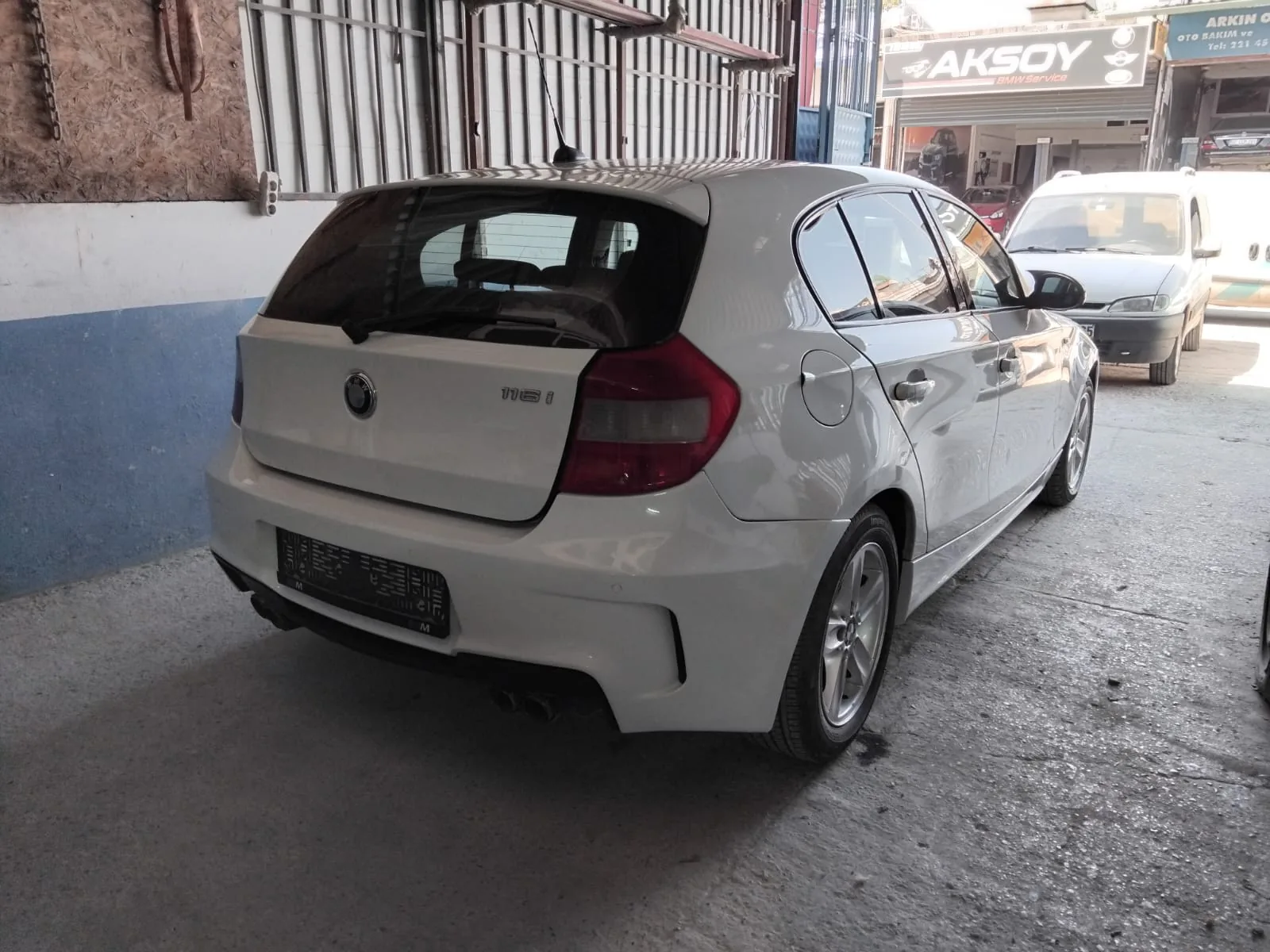
Washing frequency in winter is no different than in summer; it may even increase due to rain and mud. What matters is lifting dirt without dragging it across the surface and drying the car promptly.
- Even in rainy weather, wash the car if mud has built up; once dry, mud turns into an abrasive layer that scratches the paint.
- After washing, dry door jambs, the fuel flap recess, and wheel arch lips.
- Wipe away standing water around door weatherstripping with a towel.
- Never dust with a dry cloth; it leaves fine scratches and swirl marks. For details, see our article on car wash scratches.
- If you do not have a garage, avoid parking under trees that drop leaves and sap.
How to recognize the early signs of rust
Rust often begins around a scratch or stone chip and spreads beneath the paint. The earliest signs are small bubbles on the paint surface or orange-brown stains surrounding the damage.
By the time rust becomes visible to the naked eye, it may already have spread underneath. The bottom edges of doors, inner wheel arch lips, lower bumpers, and tailgate seams should be inspected regularly. Once rust has taken hold, merely painting over it is not a solution; the area must be cleaned, properly prepared, primed, and repainted.
Repairing minor damage before winter sets in
A quick touch-up or spot repair painting before winter is far cheaper and faster than a major repair once rust has set in. Minor damage repairs generally take 1–3 days. To assess scratches and chips, refer to our article on the fingernail test.
If an entire panel needs painting, typical owner-approved ranges are: door 3,500–6,000 TL, fender 4,000–7,000 TL, hood or roof 5,000–10,000 TL, bumper 2,500–5,000 TL. A small chip can often be repaired below these rates; if you send a photo, we can provide an estimate.
Tip: Take photos of your vehicle as winter begins and record any chips or scratches. When spring arrives, comparing them makes it easy to distinguish newly sustained damage.
When should you visit a workshop?
- If bare metal, gray, or white primer is visible in a scratch or chip.
- If bubbles, blistering, or orange stains have appeared in the paint.
- If the vehicle has been exposed to road salt and you notice early signs of rust underneath.
- If paint is flaking along the bottom of the doors or wheel arch edges.
- If the paint looks dull and hazy at winter's end; machine polishing can be considered (machine polishing).
Send photos of chips and scratches on your paintwork, and we will tell you what needs repair before winter. Assessment at the workshop is free.
Five winter habits that damage paint the most
- Covering a wet vehicle with a car cover: Moisture stays trapped beneath the cover, keeping the paint and metal damp for long periods. Always dry it first.
- Leaving the car dirty in the rain: Dust turns into mud when it rains and bakes onto the paint as it dries.
- Scraping off snow or ice: Ice or snow accumulated on mountain trips will scratch the paint if scraped off with a hard scraper. Melt it with lukewarm water first.
- Ignoring bottom door drains: Clogged drain holes trap water, causing rust to start from underneath.
- Delaying small chip repairs: Stone chips are the fastest-spreading damage during the rainy season.
Garage and parking habits during the rainy season
If you have a covered garage, it is best to park the car inside only after it has dried completely following a wash. In a damp garage, a wet vehicle stays wet for hours. If you must park outdoors, avoid parking under trees, beneath leaking roof overhangs, or near dusty construction sites.
When parking near the coast, salty moisture accelerates corrosion along metal edges and door seams. Frequent rinsing is the simplest way to mitigate this effect.
Which products are useful for winter paint care?
Winter maintenance does not require complicated products. The essentials are: pH-balanced car shampoo, several clean microfiber towels, a dry cloth for door bottoms and rubber seals, and a liquid or spray protective wax applied according to instructions.
- Shampoo: Must be automotive-specific so it does not strip paint or existing protective coatings. Dish soap is unsuitable.
- Microfiber towels: Use a thick towel for drying and a separate cloth for washing.
- Protective wax: Provides water repellency and reduces dirt adhesion. Its effect is temporary and needs reapplication.
- Matte finish vehicles: Do not use gloss-enhancing products; choose care products specifically formulated for matte paint.
These products are meant for maintenance. They do not fix paint damage; scratches, chips, and early rust require repair.
What should be done at the end of winter?
Around March, as rainfall subsides, it is advisable to check the overall condition of the car again. Wash and dry it, look for chips and blisters in daylight, and inspect door bottoms and inner wheel arch lips with a flashlight. If the paint is dull and has swirl marks, machine polishing can be considered for pre-summer correction; however, do not do it if not needed.
The essence of winter car care is simple: keep the paint sealed, clean, and dry. Sealing chips and scratches before rust begins, drying after rain, and rinsing the undercarriage after returning from mountain roads will prevent most issues. For damage that still occurs, send us a photo; throughout the winter months, we offer assessments at our workshop Monday–Saturday 08:30–19:00 and can tell you whether the repair is urgent.
Frequently asked questions
Why does car paint get damaged in winter?
Rain, high humidity, and water mixed with dirt leave spots on paint. If there are scratches or stone chips, moisture can reach the bare sheet metal and start rust. Road salt on mountain roads accelerates this effect.
Is winter car paint care necessary in Antalya?
Yes. Freezing temperatures are rare in Antalya, but rain and humidity are heavy. Repairing chips and scratches before rust begins, along with regularly washing and drying the car, provides adequate care.
What should I do after driving on mountain roads?
Within the first two to three days after returning from roads treated with de-icing salt, rinse the underbody, wheel wells, and door sills thoroughly with plenty of water.
How often should I wash my car in winter?
Wash it whenever mud and dirt accumulate on it. During rainy periods, washing every two to three weeks and drying after rain is generally a good starting point.
What repairs should be done before winter?
Scratches exposing bare metal, stone chips, and paint bubbling should be covered with touch-up or spot repair painting before winter. Minor damage repair generally takes 1–3 days.
How can I tell if rust has started?
Small blisters on the paint surface, orange-brown spots around scratches, or peeling paint along the bottom of doors and wheel arch lips are signs of rust.
Is machine polishing needed at the end of winter?
If the paint looks dull and hazy, it can be considered. Machine polishing removes fine scratches and dullness in the clear coat; how often it is needed depends on the vehicle's condition.
Can I send photos for winter maintenance?
Yes. Send photos of chips and scratches on WhatsApp, and we will provide preliminary information. Assessment at the workshop is free.
Related articles and pages
Get an estimate with a photo
Send a photo of the damage via WhatsApp, and we will provide an initial estimate and timeframe. Assessment at the workshop is free. Address: Kepez Akdeniz Sanayi, Şafak Mah. 5040. Sk. Sanayi 28/A Blok No 16, Kepez/Antalya.