Classic car restoration is the process of bringing a vehicle back to near-original condition through disassembly, bodywork, body filler, primer, and paint stages. Timeline and price vary greatly by vehicle, so we first review photos, then conduct a free assessment at our workshop in Kepez Akdeniz Sanayi industrial estate. The paint stage takes 5–10 days for a complete paint job.
What is classic car restoration, and how does it differ from regular painting?
In a regular paint job, the appearance of an intact vehicle is refreshed. In classic car restoration, sheet metal that has rusted or undergone past repairs, old body filler layers, and faded paint over the years are all addressed together. The goal is not merely to make the car shine, but to ensure a solid foundation beneath the surface.
That is why restoration projects start with an assessment. The full scope cannot be known before the vehicle is disassembled and inspected, because hidden damage on older vehicles may lie beneath the paint. Our workshop focuses on bodywork and paint; the body filler and primer stage is the most critical part of the work.
Our real projects
The photos below are from real classic vehicle projects taken at our workshop. Under each photo, we only describe what is visible.
1957 Chevrolet Bel Air
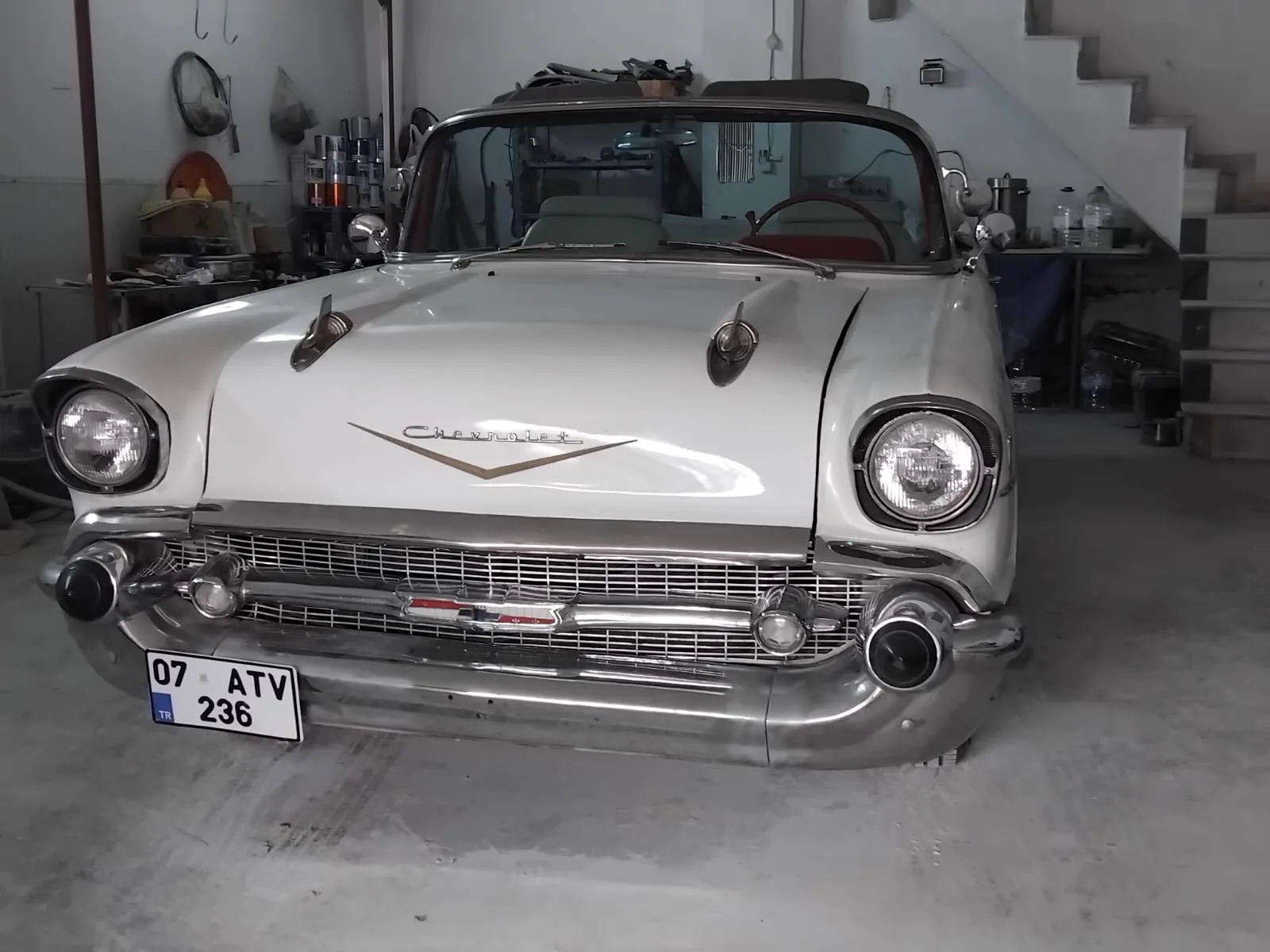
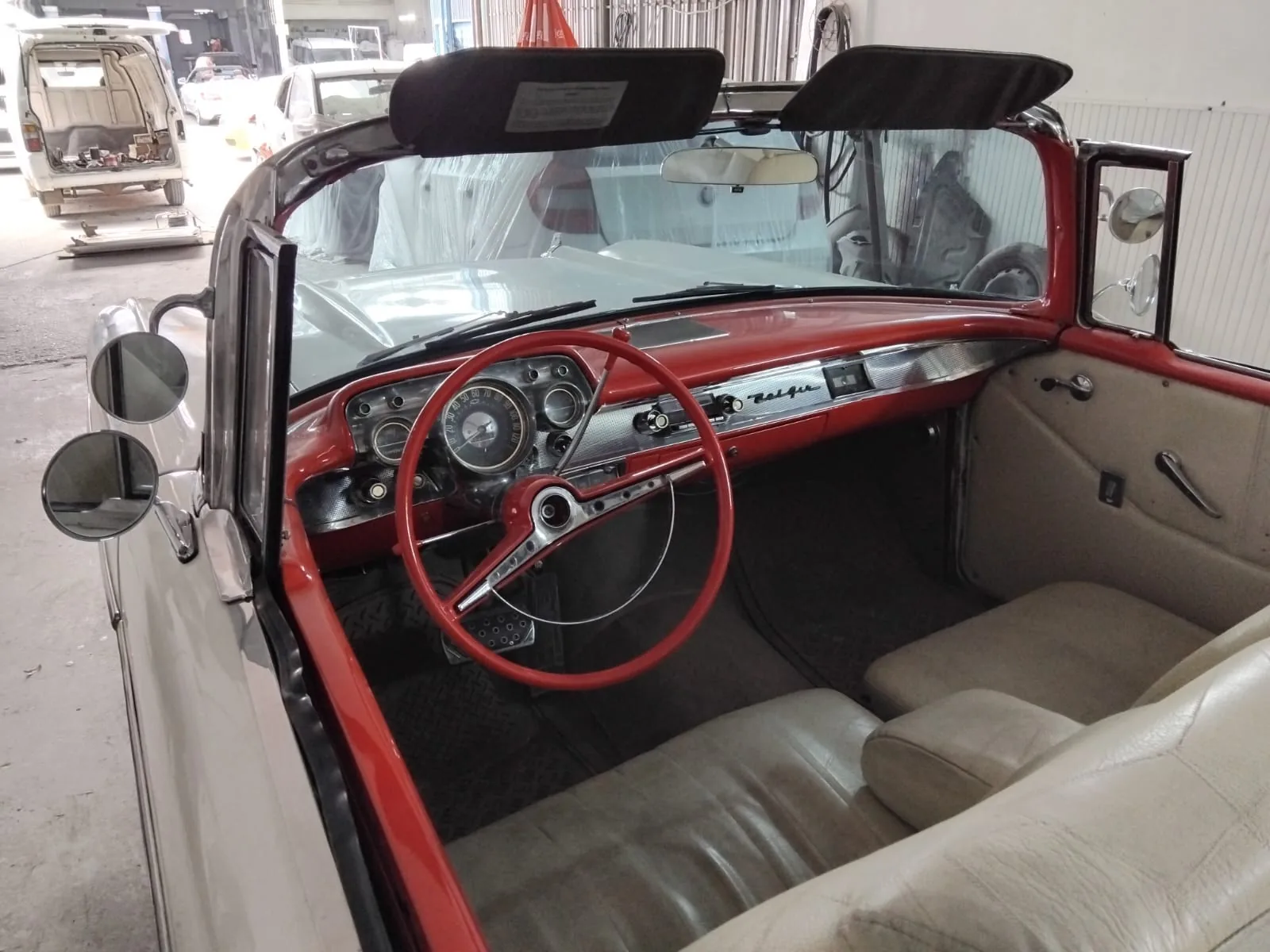
Ford Mustang
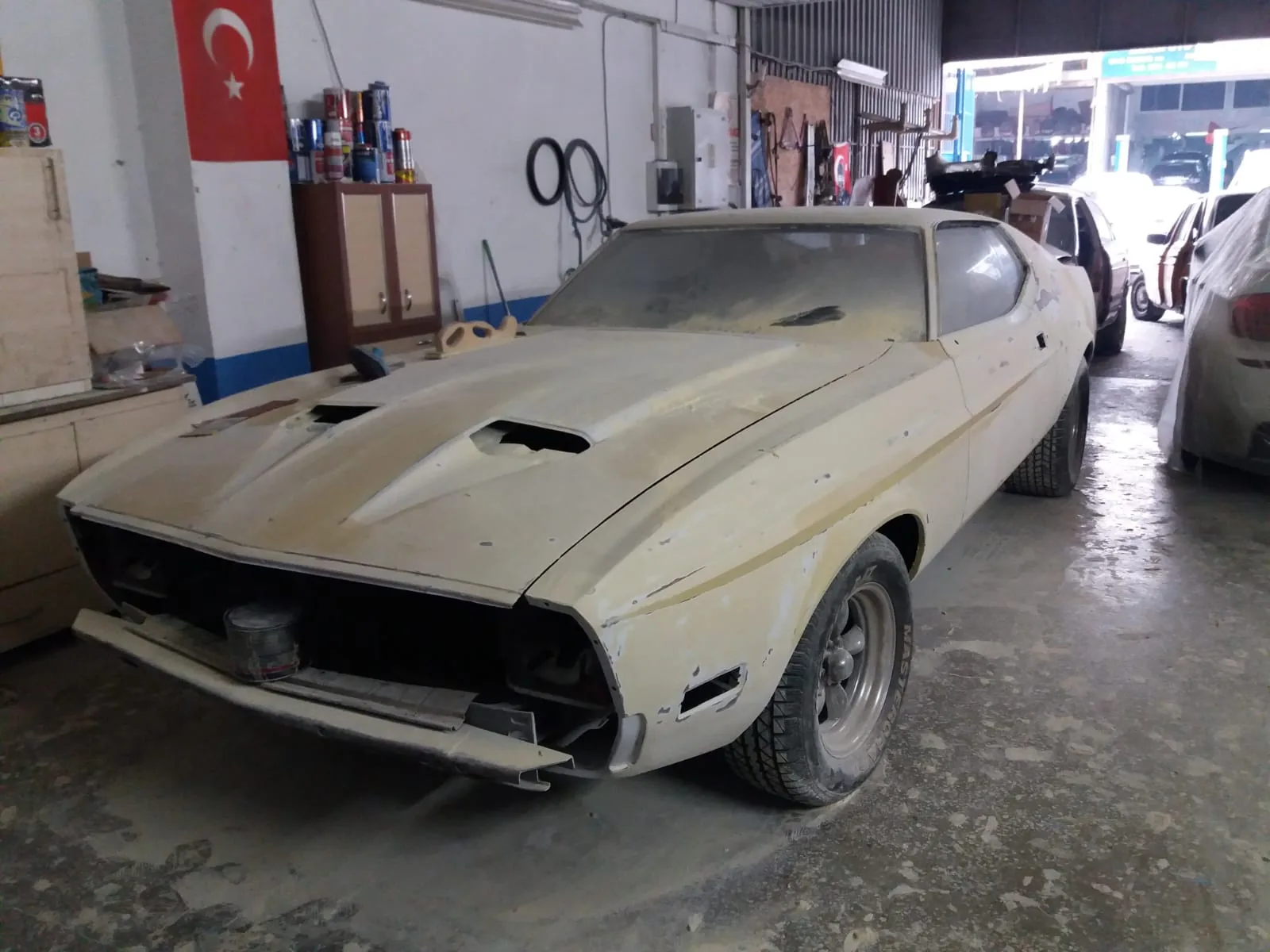
In Mustang projects, we photographed the bodywork, body filler, and primer stages. In the image below, the vehicle is in the primer stage, standing on the workshop floor; the hood air vents and front panel are visible.
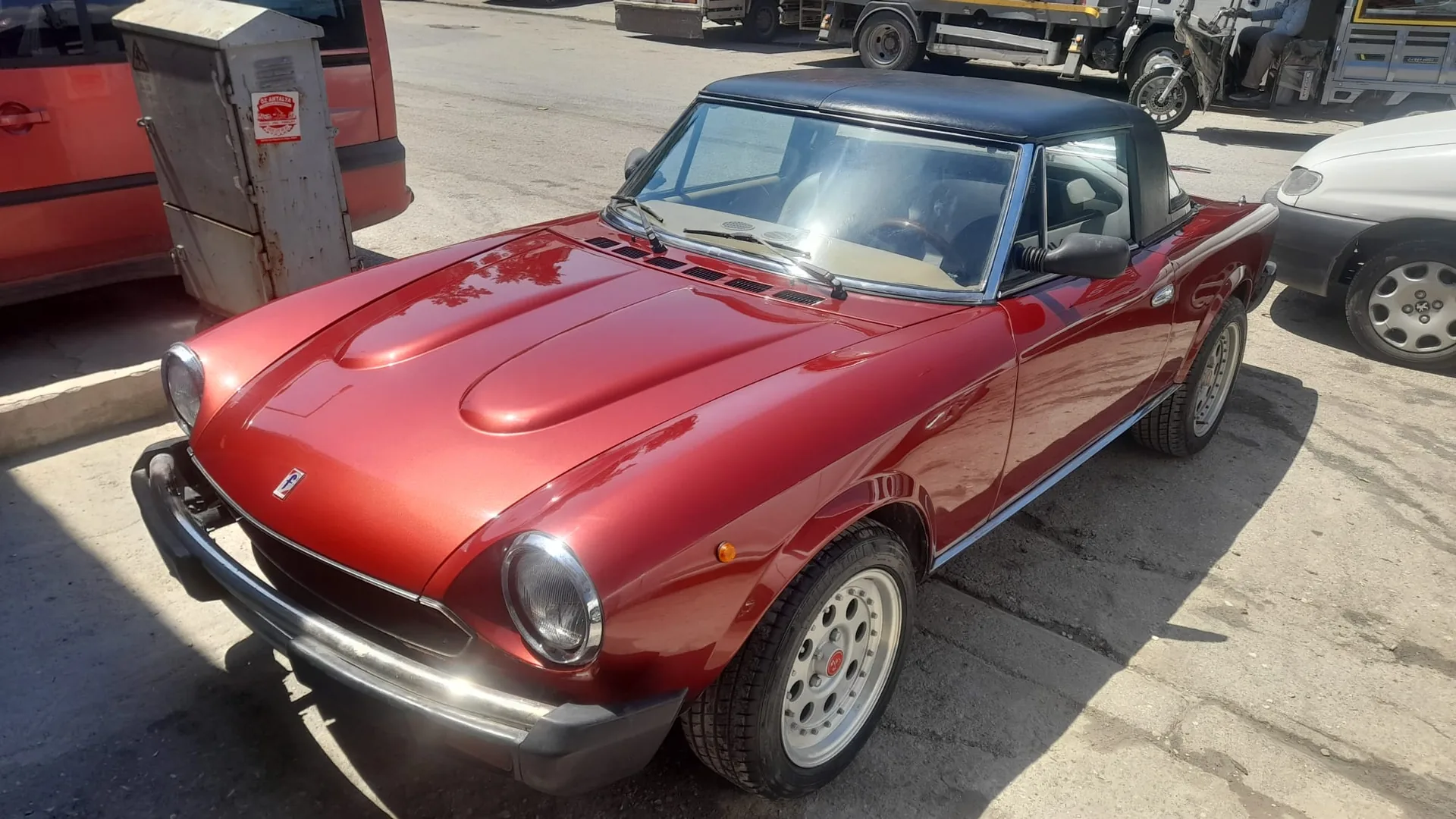
Fiat 124 Spider: before and after
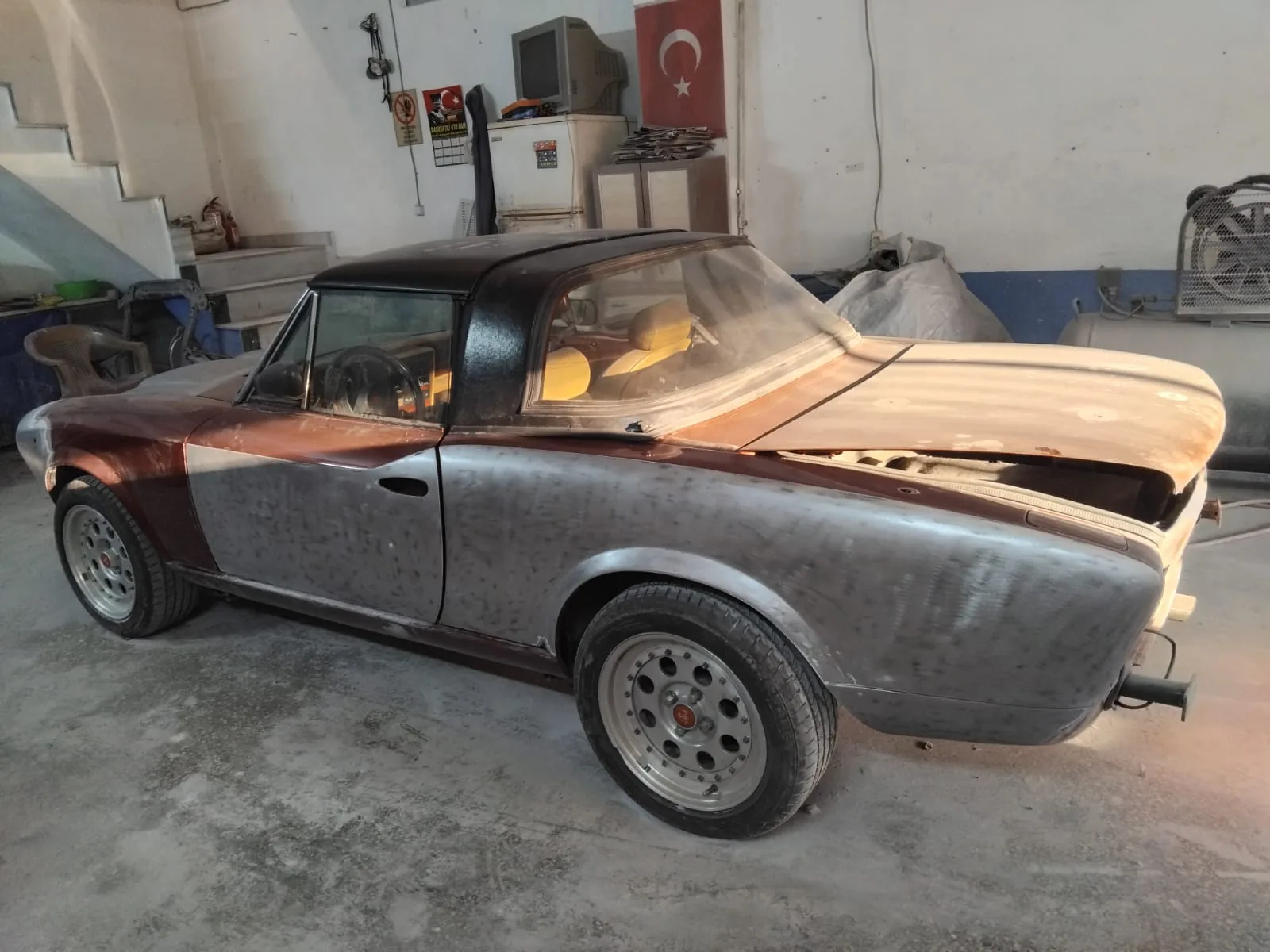
The Fiat 124 Spider photos illustrate the transition from preparation to the final result. In the first photo, the vehicle is disassembled with its surface sanded down; bare sheet metal and remnants of old paint are visible. In the second photo, the same vehicle is in red, with its paintwork completed.
Retro Volkswagen minibus
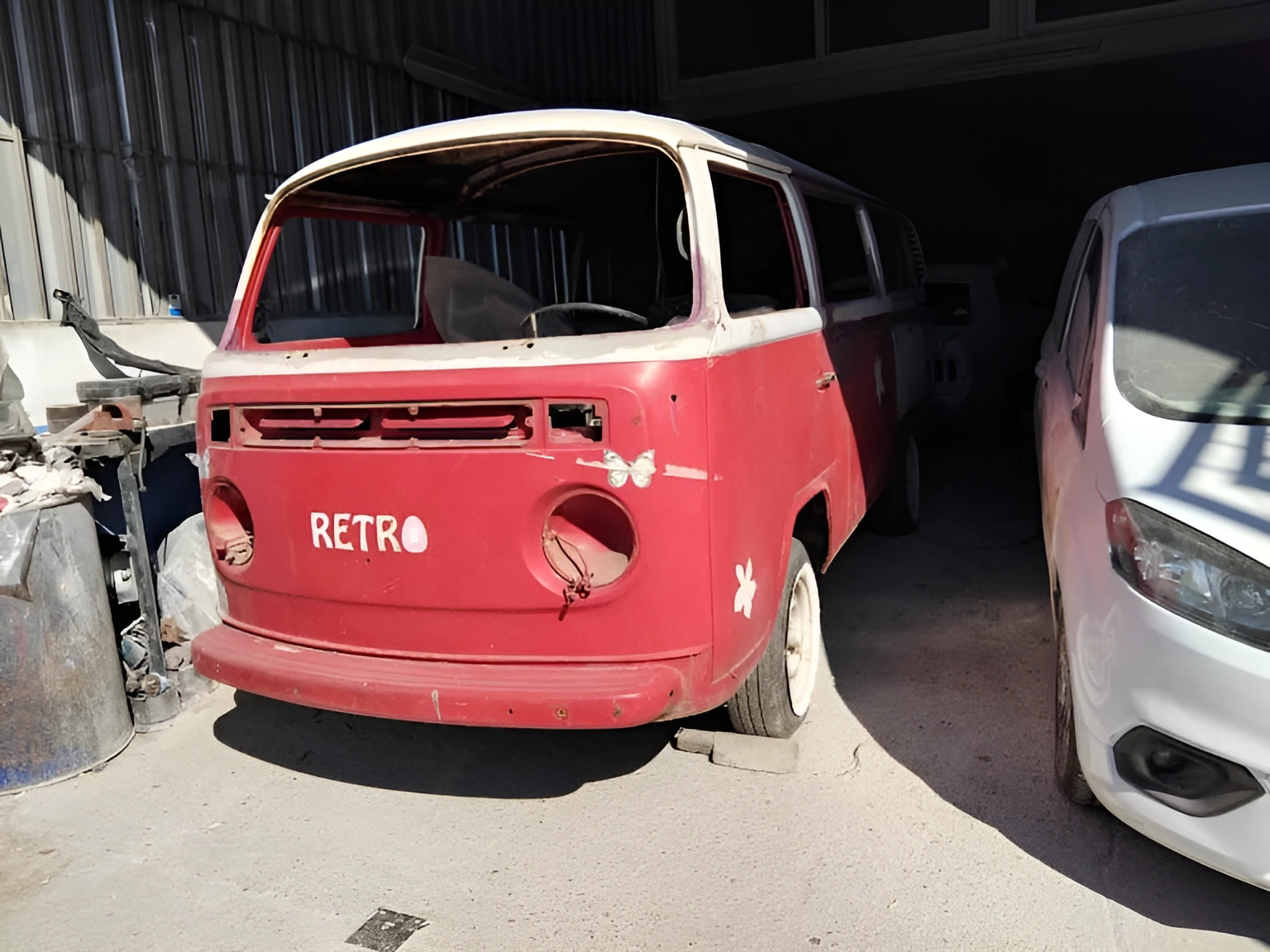
The red-and-white retro minibus is one of the projects undergoing repair and paint at our workshop. In the photo, panel surfaces, front grille, and headlight housings are open; the vehicle is not completely stripped down, the body is being prepared for repair.
How does the restoration process work?
The sequence may vary for each vehicle, but the general workflow is as follows:
- Initial consultation and photosYou share photos and history of the vehicle; we discuss your expectations.
- AssessmentThe vehicle is inspected at the workshop; sheet metal condition, old body filler, paint thickness, and body lines are photographed.
- Scope and planWhich panels will be repaired, which will be rebuilt, and the timeline are finalized in writing.
- Disassembly and bodyworkParts are removed, old paint is stripped, and panel repairs are carried out.
- Body filler, primer, sandingThe surface is leveled with fine body filler, primer is applied, and sanded smooth.
- Paint and clear coatColor is formulated with digital color matching and applied in a dust-free oven-baked paint booth.
- Assembly and handoverParts are reinstalled; we inspect the vehicle together in daylight.
Why does preparation take longer on a classic car?
On older vehicles, the sheet metal beneath the paint often shows its age, thinness, and traces of past repairs compared to modern cars. Over the years, multiple layers of paint and body filler may have accumulated. As these layers are stripped during sanding and disassembly, the true condition emerges; for this reason, the scope is sometimes updated after the initial assessment, and we communicate this clearly to you.
Sourcing parts for classic vehicles is another consideration. Certain panels and trim parts are hard to find; this is taken into account when scheduling the timeline. Keeping disassembled parts organized separately so they do not get lost or mixed up is a routine practice in restoration that simplifies reassembly later.
Checking surface straightness before proceeding to paint is also essential. On classic vehicles, curved and wide panels show reflections clearly; even the slightest wave becomes visible under light. That is why we inspect the surface from an angle under dedicated lighting after primer sanding.
Original color or a new color?
A classic car owner's first question is often about the color. There are two paths: preserving the vehicle's original color or choosing a period-correct color. If you aim for the original color, we take measurements from the existing faded paint and adjust the formula. If you prefer a period color or a completely different shade, we prepare sample swatches or test spray cards to evaluate against the car before deciding. We use PPG and Standox paint systems.
This decision also depends on how the vehicle will be used. On a collector's car, the original shade is paramount; on a vehicle for regular driving, durability takes priority. We discuss the choice together during the assessment.
How long does it take, and how much does it cost?
Giving a single timeframe or price for classic car restoration would be misleading. The condition of the vehicle, the number of panels, and the extent of rust all affect both. For reference, the owner-confirmed duration for the paint stage alone: complete paint takes 5–10 days. For pricing, the range on our complete vehicle painting page (25,000–80,000 TL) covers only the painting; sheet metal repairs and prep work are calculated separately.
Warning: Very low quotes usually cut corners on preparation. If body filler and primer stages are skipped on a classic vehicle, the paint will blister before long; compare the scope of work when comparing quotes.
Send photos of your classic vehicle, and we will provide initial information and schedule an appointment for an assessment.
What should be prepared before restoration?
- Photos of the vehicle from all four sides, including the underside and interior,
- Any details you know regarding past repair and paint history,
- Your goal: close to original, daily driver, or show car?
- Budget framework; it may be possible to divide the project into stages.
If you are planning to have an older vehicle painted, you can also read our articles on the vehicle delivery checklist and oven-baked paint.
Our workshop is in Kepez Akdeniz Sanayi industrial estate. You can start by sending photos or visit us directly.
Frequently asked questions
How much does classic car restoration cost?
It varies greatly depending on the condition of the vehicle and the scope of work; it would not be accurate to give a single price. We provide initial information with photos and a description, and present a firm quote after seeing the vehicle. Assessment at the workshop is free.
How long does classic car restoration take?
The duration varies greatly from vehicle to vehicle. Projects involving only paint and bodywork are shorter, while comprehensive projects repairing rusted panels take longer. The complete paint stage takes 5–10 days; the total duration is planned after the assessment.
Can you preserve the original color?
We can apply the vehicle's original color or a period color of your choice to the paint. Digital color matching helps by measuring the existing tone and adjusting the formula.
Which classic vehicles do you work on?
Our gallery and projects include vehicles such as the 1957 Chevrolet Bel Air, Ford Mustang, Fiat 124 Spider, and retro Volkswagen minibus. You can inquire about other models by sending photos.
Do you also work on the interior and mechanical parts?
At our workshop, we handle paint, bodywork, and body shell repairs. Mechanical work or interior upholstery requires separate expertise; we discuss the scope together after seeing the vehicle.
Why is classic car paintwork different?
On older vehicles, sheet metal can be thin, while old paint and body filler layers can be thick. First, the surface must be stripped and inspected to identify rusted areas and old body filler. Therefore, the assessment is more comprehensive compared to modern vehicles.
Can I see my vehicle during the restoration?
Yes. You can visit our workshop to see the vehicle's progress. If you wish, we can also share photos of the stages via WhatsApp.
The vehicle has no accident damage, just old. Can it still be restored?
Yes. Restoration is not limited to accident damage; paint faded over the years, rusted panels, and traces of old repairs are also within scope. First, we determine what is present and to what extent through an assessment.
Related pages
- Vehicle rebuild
- Complete vehicle painting
- Body filler and primer
- Bodywork repair
- Project gallery
- Antalya car painting
LET'S DISCUSS YOUR PROJECT
If you have a restoration dream for your classic vehicle, you are welcome to visit our workshop in Akdeniz Sanayi for coffee.