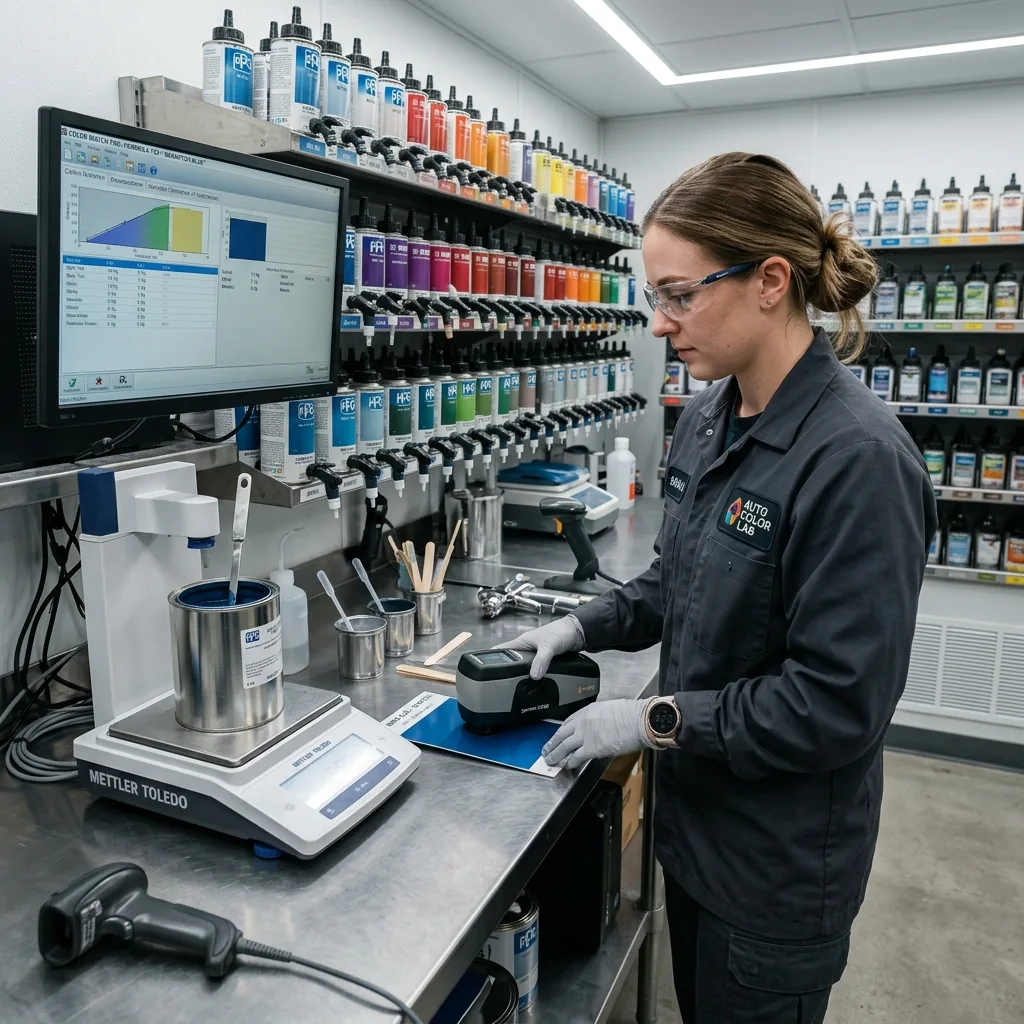
The main causes of a color difference in panel painting are the car fading over the years, different sub-tones of the same paint code, the sensitivity of metallic and pearlescent paints to application, and light changing how color looks. Correct color matching, a test card and a blend into the neighbouring panel can bring the difference down to a level that is hard to see by eye. No workshop can promise an identical tone in every situation; what matters is that the process is done correctly and that you check the result at delivery.
Why do people worry about color when only one panel is painted?
Anyone who has a bumper, door or fender painted has the same question: will the new paint look the same as the panels beside it? The concern is reasonable, because from the day it leaves the factory a car is exposed to sun, rain, washing and dust. The new paint, on the other hand, is a fresh surface made that day. A difference between the two is natural; the real question is how visible it is to the eye. If you are considering panel painting, our article on spot repair or full repaint is a good place to start.
Main causes of color differences
1. The car fading over time
In sunny regions such as Antalya, the paint of cars parked outdoors dulls and shifts slightly in color over time. Horizontal panels such as the hood, roof and trunk lid get the most sun, and their color can differ from areas that stay in the shade, such as the lower part of a door. A workshop does not simply apply the factory code; it adjusts the color by looking at how the car looks today. We explain the effect of sun on paint in our article on summer paint protection.
2. Different sub-tones of the same paint code
For the same color code, manufacturers may use variants with small tone differences in different production periods or from different suppliers. So relying on the code alone is not enough. How to find the code, and why it is not enough by itself, is covered in how to find your car paint code.
3. The structure of metallic and pearlescent paints
In metallic and pearlescent paints the color does not come from pigment alone; the way particles lie in the panel also reflects light differently. Details such as spray gun distance, pressure and number of coats affect that arrangement, so the same formula can look different in different hands. We cover this in what is pearlescent paint.
4. Light and viewing angle
Two panels that look the same in daylight can look different under fluorescent light or at sunset. That is why colors should be compared not in one place but in daylight and in the shade. The color also changes with the tilt of the panel, so different surfaces should be compared from the same angle.
5. Base surface, primer and coat thickness
The color of the primer and the number of coats can affect how the top paint looks, especially with light or semi-transparent colors. Paint applied on a badly prepared surface can look different even with the right formula. This is why putty and primer work is the invisible but important part of paint quality.
How does a workshop reduce color differences?
- Checks the current color on the carBesides the factory code, the car's present color is assessed in daylight on a clean, polished surface.
- Adjusts the formula to the carThe code is the starting point; the formula is moved closer to the car's present tone.
- Prepares a test cardThe paint is first sprayed on a test card, dried and compared next to the car. If the tone does not match, the formula is adjusted again.
- Blends into the neighbouring panelColor and clear coat are applied in gradually thinner layers from the painted part into the next panel, giving a soft transition instead of a sharp border.
- Finishes the clear coat and polishThe clear coat mist in the blend area is corrected and the surface is polished so it has the same gloss and depth.
Not every step is needed in the same way on every car. On plain colors such as white, the blend area can be smaller; on metallic and pearlescent colors it can be wider. The decision belongs to the technician who sees the car.
Why is blending important?
If the border between new paint and old surface is sharp, the eye catches it even when the tones match. The goal of blending is to let the tones merge so the border disappears. For this reason, sometimes not only the damaged part but also a section of the adjacent panel is painted. It may look like extra work, but it protects the look of the whole car. For panel-based work see our panel painting prices page, for bumpers bumper painting, and for fenders fender painting.
How to check the color when you collect your car
Taking your time at delivery is the easiest way to spot a color difference. These steps are enough:
- Take the car out of the garage into daylight and look at it both in the sun and in the shade.
- Look at the painted part and the neighbouring panel from different angles, from the side and from the front.
- Make sure the surface is clean and dry; dust and water drops can mislead the eye.
- Check the panel gaps and edges for a visible line in the blend area.
- If what you see is a tone difference, take a photo and tell the workshop right away.
For other points to check at delivery, see our checklist for collecting your car after painting. For care in the first weeks, our guide on when to wash a car after painting (Turkish) may also help.
Is painting one panel enough, or is a full repaint needed?
For small damage, panel or spot repair is often enough. If the paint is badly faded all over the car, several panels show a tone difference, or the clear coat is flaking, a full repaint gives a more consistent result. It is not possible to say for sure which is right without seeing the car. During the free inspection at the workshop we look at the panels together and decide on the most sensible method. For the effect of oven-baked application, see what is oven-baked paint.
Frequently asked questions
Can panel painting cause a color difference?
With the right color formula and a blend into the neighbouring panel, the difference can be reduced to a level that is hard to see. However, between paint that has been in the sun for years and fresh paint, a slight difference can still show at certain angles, especially on metallic and pearlescent colors. That is why a good workshop does color matching and blending together.
Why does a part painted with the same paint code look different?
The paint code gives the original factory formula. Over the years the car fades, and the same code can also have sub-variants. If the workshop does not adjust the formula to the car's current color, a tone difference can appear even with the same code.
Is the neighbouring panel also painted to avoid a visible difference?
In many cases, yes. Applying color and clear coat in gradually thinner layers from the painted part into the adjacent panel is called blending. It replaces a sharp border with a soft transition the eye does not catch.
Can the color look different in daylight and in the garage?
Yes. Different light sources can make the same paint look different. Always check the color in daylight and in the shade, looking at the panels from different angles.
Why is color matching harder on metallic and pearlescent paint?
In these paints the color also depends on how the particles are arranged and on the application technique. The same formula can look different with a different pressure, distance or number of coats. That is why a test card and an experienced hand matter. See our pearlescent paint article for how this paint is built.
What should I do if I see a color difference after painting?
If you notice it at delivery, show it to the workshop straight away. Photos taken in daylight, on a clean surface and from several angles make the problem easier to explain. You can send photos to Nett Oto Boya on WhatsApp or have a free inspection at the workshop.
Related pages
- Antalya car painting
- Antalya spot repair painting
- Kepez car painting
- Oven-baked car painting
- How to find your car paint code
- Paint check for used cars
Send a photo of the part you want painted, and we will tell you what will be done about color and blending. Workshop inspection is free.